
Pharmaceutical shipping is one of the most tightly regulated logistics categories: the products affect public health directly, most are sensitive to heat and humidity, and every GCC country enforces strict rules on what may be shipped, by whom, and how.
This guide covers the definitions, the five big challenges in the Gulf, GCC regulatory requirements, how to ship medicines within Saudi Arabia step by step, and how to choose carriers, including current refrigerated shipping rates.
What Is Pharmaceutical Shipping?
It is the process of preparing pharmaceutical products for transport, including packaging, selecting the appropriate shipping method, following regulatory guidelines, and equipping vehicles to safely and efficiently deliver medications in optimal condition and as quickly as possible.
What Is Medical Logistics?
Medical logistics refers to the systems and processes that manage the supply chain of healthcare-related products and services, including the storage, transportation, and distribution of medicines, medical supplies, vaccines, and healthcare equipment, all while adhering to the highest standards of safety and quality.
This logistics domain focuses on ensuring that medical products arrive on time, in good condition, and in controlled environments (e.g., temperature-sensitive or sterile conditions). It also includes inventory management, emergency response logistics, and supplying medical institutions with the resources they need.
Can Medicines Be Shipped at All?
Not all medications are prohibited from being shipped. Legally authorized medications, such as those used for chronic conditions or over-the-counter vitamins, can be shipped—provided that all health and legal regulations are followed.
However, internationally banned substances, or prescription-only medications without a valid prescription or regulatory approval, are considered prohibited and cannot be shipped legally.
5 Key Challenges of Pharmaceutical Shipping in the GCC
Saudi Arabia represents nearly half of the GCC pharmaceutical market, a sector valued at over USD 20 billion, so the operational stakes are high.
Temperature control during transportation
Appropriate packaging for sensitive products
Delivery speed
Regulatory compliance
Insurance and theft protection
Below is a closer look at each of these critical challenges:
1. Temperature Control During Pharmaceutical Transport
There is no doubt that pharmaceuticals are among the most sensitive goods in the world, as they can easily lose their effectiveness or become damaged—especially in high-temperature environments.
According to regulatory standards in many countries, most medications can be safely transported at controlled room temperatures between 15°C and 25°C. These conditions are generally manageable with conventional shipping methods in many regions around the world.
However, even room-temperature-stable medications face challenges when transported to high-temperature countries, such as Saudi Arabia and other GCC states, where temperatures can sometimes soar to 50°C.
This makes it essential to develop innovative and reliable solutions that ensure the safe delivery of pharmaceutical products without compromising their quality due to extreme heat.
It is worth noting that OTO has established multiple partnerships with leading domestic and international shipping companies, enabling access to cost-effective cold chain shipping services. These partnerships help facilitate the safe transport of pharmaceuticals across various countries—especially throughout the Gulf Cooperation Council (GCC)—protecting the products from spoilage or loss of efficacy, and ensuring they reach consumers in optimal condition and quality.
⭐ Leading Brands That Rely on OTO for Shipping Their Pharmaceutical Products:
Adam Pharmacy Group
Innova Pharmacy
Nature Medicine Trading Company
Medicarri
2. Proper Packaging for the Nature of Pharmaceutical Products
Packaging is another major challenge for shipping companies and businesses in the pharmaceutical sector. These products must be packed using high-quality, scientifically appropriate materials to prevent damage or degradation.
For example, packaging materials must not react chemically with the medications or allow external heat to penetrate. Additionally, products must be securely sealed to avoid breakage or leakage during transportation.
3. Delivery Speed
Pharmaceutical products vary widely in shelf life. While some medications can last for extended periods, others—like most vaccines and plasma-based products—must be used within hours of shipping to prevent spoilage. That’s where the challenge lies: ensuring that routes are optimized, traffic issues are overcome, and products are shipped using specially equipped vehicles to guarantee rapid and safe delivery.
This is especially critical in urgent medical scenarios, such as delivering prescriptions or pain relief medication to elderly or high-risk patients who depend on pharmacies for instant prescription fulfillment.
Whether the shipment involves sensitive medications or emergency healthcare needs, businesses must offer same-day, two-hour, or next-day delivery options to ensure timely delivery.
Moreover, direct delivery models—from the pharmacy or supplier straight to the end customer—are essential to maintain standards of safety, quality, privacy, and compliance.
4. Understanding Legal and Regulatory Frameworks
Understanding pharmaceutical shipping regulations is one of the most significant challenges faced by both businesses and logistics providers. These laws vary from one country to another and include restrictions on prohibited or controlled substances.
Therefore, when determining how to ship pharmaceutical products, it is critical to be well-informed about local laws and requirements to ensure smooth and compliant shipping operations.
5. Insurance and Theft Protection
This is yet another major challenge in pharmaceutical shipping: prescription-only medications are often targeted by criminals and illicit drug users seeking controlled substances.
As a result, securing pharmaceutical shipments against theft is a critical issue throughout the logistics process. These high-value goods must be protected from theft and tampering, making the delivery process more complex and risk-prone.
That covers the key challenges. But what about the regulations and legal frameworks enforced by GCC countries regarding pharmaceutical shipping?
So, What Are the Regulatory Requirements for Pharmaceutical Shipping in the GCC?
The Gulf Central Committee for Drug Registration and Inspection plays a vital role in overseeing the import and transport of pharmaceuticals across GCC countries. The committee outlines various legal requirements, including but not limited to:
Certificate of Origin (COO):
The GCC imports pharmaceuticals from a wide range of countries, including the United States, European nations, India, and more. To ensure that no counterfeit or untraceable products enter the market, the committee mandates the inclusion of a Certificate of Origin as part of the customs clearance process.
Additionally, for export purposes, the Ministry of Industry and Mineral Resources Portal in Saudi Arabia allows businesses to electronically issue Certificates of Origin through a system that includes four distinct templates: for GCC countries, Arab countries, preferential agreements, and other international destinations.
Good Distribution Practice (GDP) Certificate:
This essential document must be included when shipping pharmaceutical products, as it demonstrates that the medicines comply with the safety and security standards set by the World Health Organization (WHO).
For example, the GDP certificate typically includes information such as the active pharmaceutical ingredients (APIs) used, manufacturing practices, and other key details that ensure the authenticity, quality, and safety of the medicines and protect against counterfeiting.
Declaration of Absence of Banned Substances in Manufacturing:
Some GCC countries require a document confirming that the shipped medications do not contain any banned substances, whether due to health, environmental, or regulatory concerns. This includes chemicals used in the production of narcotics, stimulants, or other internationally banned compounds.
Compliant Packaging According to Recommended Standards:
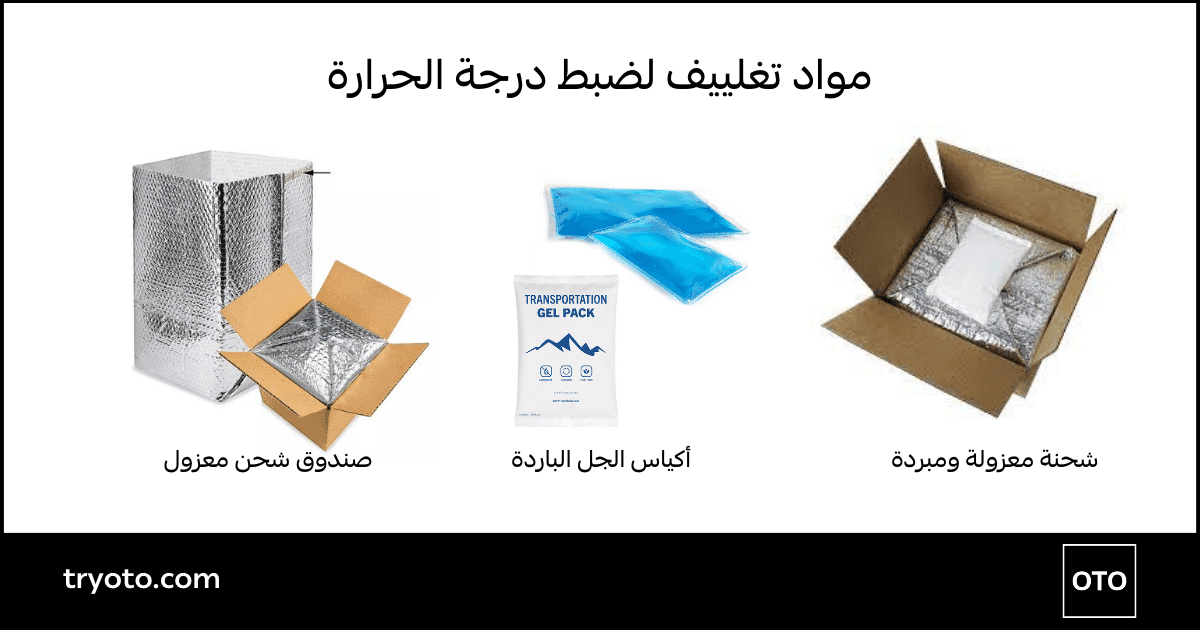
Pharmaceutical packaging must adhere to the technical and health-related standards recommended by authorities to protect the shipment from damage due to heat or humidity fluctuations—a common concern in the hot climate of the Gulf region. This includes the use of insulated containers and secure sealing to maintain the product’s quality throughout the shipping journey.
There Are Also Additional Shipping Regulations That Include Several Key Requirements, Most Notably:
Medications must be authorized by the relevant health authorities.
If the medication is restricted, it must be accompanied by a valid prescription or official permit.
Proper packaging and handling standards must be followed, especially for medications requiring refrigeration.
All shipments must comply with both the origin and destination country regulations, and shipping commercial quantities without an official license is strictly prohibited.
Let’s Now Move to the Best Practices for Shipping Pharmaceuticals Safely
How to Prepare Medicines for Safe Shipping?
This process involves implementing specific procedures and paying close attention to a range of important factors, including:
1. Proper Packaging and Sealing
Medications must be packed using specialized containers that protect against environmental factors such as humidity and temperature. Packaging should include leak-proof materials to prevent any potential spills, as well as shock-absorbing materials to protect the pharmaceutical products from vibration and mechanical impact during transit.
2. Maintaining Proper Transport Conditions
Shipments should be transported in specialized cooling and insulation units that maintain optimal temperature and humidity conditions throughout the journey. Packaging should be equipped with real-time temperature monitoring sensors, including alert systems in case of any unexpected fluctuations—helping protect temperature-sensitive medications from damage.
3. Proper Documentation
One of the most critical steps in preparing a pharmaceutical shipment is compiling all required documentation, including:
Product information
Handling instructions
Quality certificates
These documents streamline customs clearance, enable efficient tracking and inspection, and ensure all parties have the necessary data to safeguard the shipment throughout its journey.
Additionally, it is essential to verify that the shipped pharmaceutical products comply with both local and international regulations for medicine transportation, in order to prevent quality issues or legal complications.
4. Equipping Vehicles with Advanced Tracking Technologies
Using advanced tracking systems like RFID or GPS allows real-time monitoring of the shipment’s location and environmental conditions. These tools help logistics providers and businesses respond immediately to any issue, ensuring maximum transparency and control throughout the supply chain. As a result, the risks of loss or damage are significantly reduced.
5. Conducting Pre-Shipment Test Runs
Before the actual shipment, it is vital to simulate real transport conditions to test the packaging and cooling systems. Verifying the durability and integrity of the packaging under different environmental conditions helps identify weaknesses and allows for adjustments before dispatching the goods. This reduces the likelihood of issues occurring during transport.
How to Ship Medicines Within Saudi Arabia: 3 Steps
Whether for personal or commercial use, and whether the medications are complex or over-the-counter, shipping pharmaceutical products within Saudi Arabia requires adherence to a set of procedures and regulations to ensure compliance and safety.
Step 1: Verify Authorization
The first and most essential step is to ensure that the medication is authorized by the Saudi Food and Drug Authority (SFDA). It is necessary to check the list of approved drugs, whether for personal or commercial use, especially for those containing active substances or controlled ingredients.
Step 2: Prescription Requirement (If Applicable)
If the medication requires a prescription, a clear copy must be attached, bearing the recipient’s name and certified by a licensed medical authority. As for over-the-counter (OTC) medications, they may be shipped in limited quantities for personal use without a prescription.
Step 3: Proper Packaging
Medications must be packed in a way that preserves their quality and safety, particularly those requiring refrigeration, or protection from light and humidity. This may involve using thermal containers or insulated packaging designed to maintain product integrity throughout the shipping process.

Refrigerated Pharma Carriers & Current Rates (via OTO)
It is essential to work with a licensed domestic or international courier authorized to handle pharmaceutical products. This is where OTO becomes the ideal solution. With OTO, you can create a free account, connect your store, and ship through over 400 courier companies using your own contracts, or ship with 25+ pre-integrated carriers without contracts, all managed from a single, user-friendly dashboard.
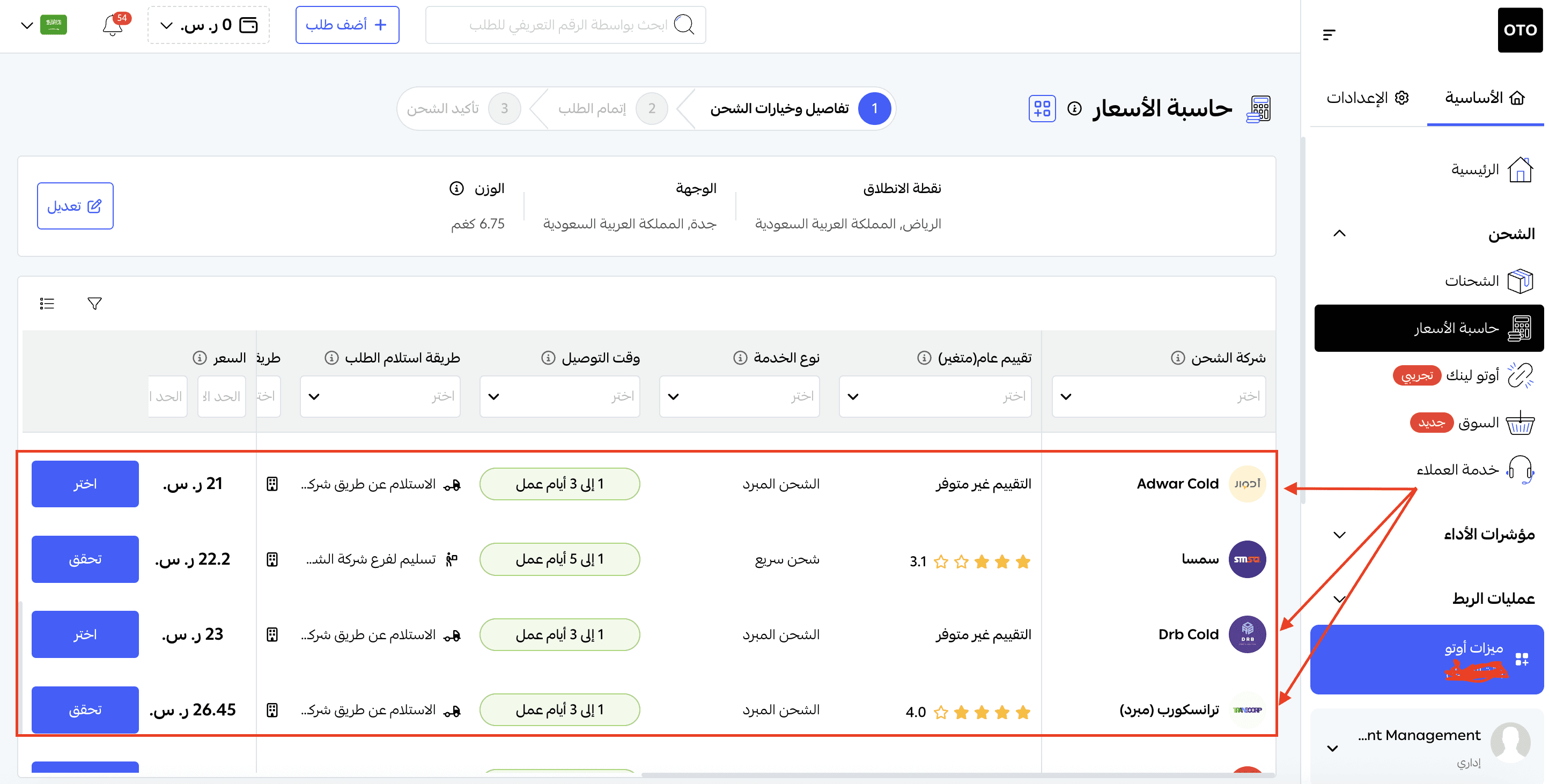
For example, if you want to ship medications from Riyadh to Jeddah, OTO provides a real-time pricing calculator that shows you the lowest refrigerated shipping rates from top-performing carriers in that lane. By creating a free account, you can immediately start shipping with the following companies—no contracts, no long-term commitments required:
1. Adwar Logistics
Lowest refrigerated shipping rate: SAR 21 from Riyadh to Jeddah (up to 15 kg) + SAR 1 per additional kg
Cash on delivery (COD): SAR 6
Delivery time: 1–3 business days
Cooling capability: Down to -18°C
Return shipping fee: Free
2. DRB Cold Chain
Shipping rate: SAR 23 from Riyadh to Jeddah (up to 10 kg) + SAR 1 per additional kg
COD fee: SAR 5
Delivery time: Same day or next day
Real-time temperature monitoring and notification service
Return shipping fee: Free
3. Transcorp
Shipping rate: SAR 26.45 from Jeddah to Riyadh
Business license required
Delivery time: 1–3 business days
High-precision cold storage and delivery
Permissible Quantity
It is prohibited to ship commercial quantities of pharmaceutical products without an official license. For personal shipments, you must adhere to the allowed limit for individual or family use. Exceeding these limits may result in the shipment being seized or rejected by authorities.
Supporting Documentation
You may be required to submit a purchase invoice or a declaration of shipment contents to confirm compliance with regulations—especially for international shipments or complex pharmaceutical products.
To Ensure Safe and Compliant Pharmaceutical Shipping, Choose the Right Transportation Method
Choosing the Transport Mode
Distance and Destination
Distance and destination play a crucial role in determining the appropriate transportation method for pharmaceutical shipments. Each route has its own logistical requirements that affect how the medicine should be handled.
For instance, long-distance or remote area shipments require carriers equipped with temperature-controlled environments and stable storage conditions to preserve the quality and efficacy of the medications.
Meanwhile, short-distance, urban deliveries demand fast and efficient transport, with a focus on protecting pharmaceutical products during short-haul logistics. Therefore, carefully evaluating both factors helps ensure medications arrive quickly and in optimal condition.
Speed of Delivery
Many medications—especially vaccines and biological drugs—are time-sensitive. Additionally, most have limited shelf lives, making it crucial to choose a rapid and reliable delivery method.
For example, air freight is ideal for urgent or high-value pharmaceuticals, offering same-day or next-day delivery, which minimizes the risk of spoilage and ensures prompt response to medical emergencies.
In contrast, sea freight is more suitable for bulk shipments that are less time-sensitive, while ground transport is often the best choice for short-range deliveries within a country.
Several factors influence this decision, including:
Distance between pickup and delivery locations
Urgency of the shipment (e.g., emergency medical needs)
Shipping costs
Regulatory requirements related to international pharmaceutical transport
Sensitivity of Medications to Temperature and Humidity
This is one of the most critical factors in choosing the right shipping method. Fluctuations in temperature or humidity can severely impact the effectiveness and safety of medications, potentially rendering them ineffective or unsafe for consumption.
For example, high temperatures can cause thermal degradation of drugs such as insulin and antibiotics like penicillin, altering their chemical structure and reducing their efficacy—potentially leading to serious health risks for patients.
Likewise, excess humidity can promote bacterial or fungal growth, increasing the risk of contamination and product damage.
Therefore, selecting a suitable transportation method equipped with advanced cooling systems or moisture-protection insulation is essential when shipping sensitive pharmaceutical products. If specific temperature or humidity levels are required, your transport method should offer precise environmental control systems to maintain product integrity throughout the journey.
Key Tips for Safe Pharmaceutical Shipping

To maintain the integrity and safety of pharmaceutical shipments, both within local markets and across international borders, it is essential to pay close attention to several key areas, including:
Monitoring Environmental Conditions
It is critical to track all environmental factors surrounding the shipped product. This can be achieved using advanced technologies such as data processing and analytics related to fluctuations in temperature, humidity, and light exposure—especially for light-sensitive pharmaceuticals.
Shipments should be constantly monitored to detect and respond to any changes during transport. Real-time tracking ensures that issues can be addressed immediately, maintaining product quality and ensuring prompt delivery.
Proper Packaging and Sealing
Pharmaceutical products must be packaged using scientifically sound methods that ensure safety, quality, and product integrity. For example, plastic containers that may react with chemical substances in medications should be avoided.
Instead, use corrugated shipping boxes, biodegradable air pillows, and other specialized protective materials that prevent contamination, spoilage, and loss of efficacy during the shipping process.
Understanding Product Nature and Handling Requirements
It is crucial to fully understand the nature of the pharmaceutical products being shipped, including:
Shelf life
Recommended shipping temperature
Tolerance to humidity
Fragility and resistance to shock
Shippers must evaluate all available temperature control options to select the most suitable transportation method. This includes determining whether products require high-refrigeration trucks, insulated transport, or specialized deep-freeze units, depending on manufacturer guidelines and product requirements.
Choosing the Right Shipping Company
It is essential to work with trusted logistics providers who have proven experience in handling pharmaceutical products. The right provider should:
Comply with industry regulations and safety standards
Use proper storage and transportation practices
Ensure full regulatory compliance in the destination country or region
✅ OTO, the leading logistics gateway, offers a wide range of shipping options tailored to the specific needs of pharmaceutical and medical products.
Through its partnerships with over 250 regional and global courier companies, OTO gives businesses access to highly specialized shipping services—often at discounted rates compared to standard prices.
With a free OTO account, you can choose from a variety of shipping services, including: 👇
Delivery within 1 to 4 hours
Same-day delivery
Refrigerated shipping for products requiring temperatures below 10°C
Frozen shipping for deep cold storage below 0°C
Intra-city delivery
International shipping
Customs clearance services

Frequently Asked Questions
Can individuals ship medicine within Saudi Arabia?
Yes, for personal use within quantity limits, SFDA-authorized medicines only, with a certified prescription for prescription-only products.
Can I ship medicines internationally from Saudi Arabia?
Yes, with destination-country authorization, the GCC documentation set (COO, GDP, declarations), and a licensed carrier; commercial quantities need an export license.
What temperature is required for medicine shipping?
Most medicines: controlled room temperature (15–25°C). Cold-chain products (insulin, vaccines): 2–8°C. Frozen products: below 0°C. The product label’s storage conditions govern.
Conclusion
Pharmaceutical shipping rewards discipline: verify authorization, document everything, package for the Gulf climate, and choose carriers on capability and compliance, not price alone. Review provider track records, confirm refrigerated fleet quality, and verify regulatory expertise including customs handling.
OTO puts the Kingdom’s licensed cold-chain carriers in one dashboard with live pricing. Create a free account and ship your pharmaceutical products the compliant way.

Ehab Mahmoud