Despite the significant technological development in the shipping and logistics sector, there are many common courier problems that businesses must understand and manage to protect their customers, their reputation, and their margins, and try to solve them to provide logistics services in the best possible way for businesses.
This contributes to achieving the goals of both the merchant and the consumer and grants the necessary flexibility for the business to expand and target diverse markets.
Let's review the most prominent problems faced by shipping companies in Saudi Arabia, along with some suggested solutions, and the optimal way to monitor the performance of your shipping carrier.
We'll start by outlining the main issues...
13 Common Problems Faced by Shipping Companies in Saudi Arabia and Proposed Solutions
# | Problem | Core Cause | Solution Approach |
1 | High shipping costs | High operating costs, oversized packaging, single carrier | Use OTO to compare 400+ carriers; right-size packaging; negotiate volume rates |
2 | Shipment damage during handling | Inappropriate packaging, improper handling | Use correct box size, protective infill, and handling instruction labels |
3 | Poor product packaging | Inadequate materials for the product's fragility or size | Invest in product-appropriate packaging materials and smart packaging techniques |
4 | Failure to meet agreed delivery time | Order processing errors, traffic, poor route planning | Use OTO for order management; optimise routes; maintain carrier fleet |
5 | Inefficient inventory management | No real-time visibility, poor demand forecasting | Implement OTO PACK for inventory tracking and demand forecasting |
6 | Returns management complexity | Manual returns processing, no clear rules | Use OTO's returns management system with automated return rules |
7 | Driver fleet management inefficiency | Poor scheduling, tracking, and task distribution | Manage in-house fleet with OTO FLEX |
8 | Managing multiple carriers simultaneously | Different systems, rates, and terms per carrier | Centralise all carriers in OTO's shipping aggregator |
9 | Shipping route disruptions | Weather, political events, pandemics | Monitor routes, forecast conditions, identify alternative routes in advance |
10 | Lost or misplaced shipments | Weak tracking systems, poor handoff documentation | Use a robust real-time tracking system; document every handoff point |
11 | International shipping complexity | Customs procedures, compliance, documentation | Work with an experienced international logistics partner |
12 | Poor customer service during issues | No communication protocol, reactive handling | Establish proactive communication procedures; take responsibility promptly |
13 | Rude delivery agent behaviour | Inadequate vetting of contracted carriers | Vet carriers thoroughly; review customer feedback before contracting |
1. High Shipping Costs
High shipping costs are a common challenge for many delivery companies, particularly small businesses. This is often due to high operating expenses like fuel for carriers and the large space shipments consume in transport vehicles.
Suggested Solutions:
Reduce operational fuel costs by substituting gasoline with natural gas, which is often less expensive.
Minimize consumed space on trucks (volumetric weight) by packaging products in dedicated boxes (parcels) that accommodate large quantities and maximize space efficiency. This depends on knowing both the actual and volumetric weight of your shipment.
Rely on shipping companies that offer lower prices compared to others.
Use more than one shipping company to compare prices and select the most cost-effective option for different shipment types and destinations.
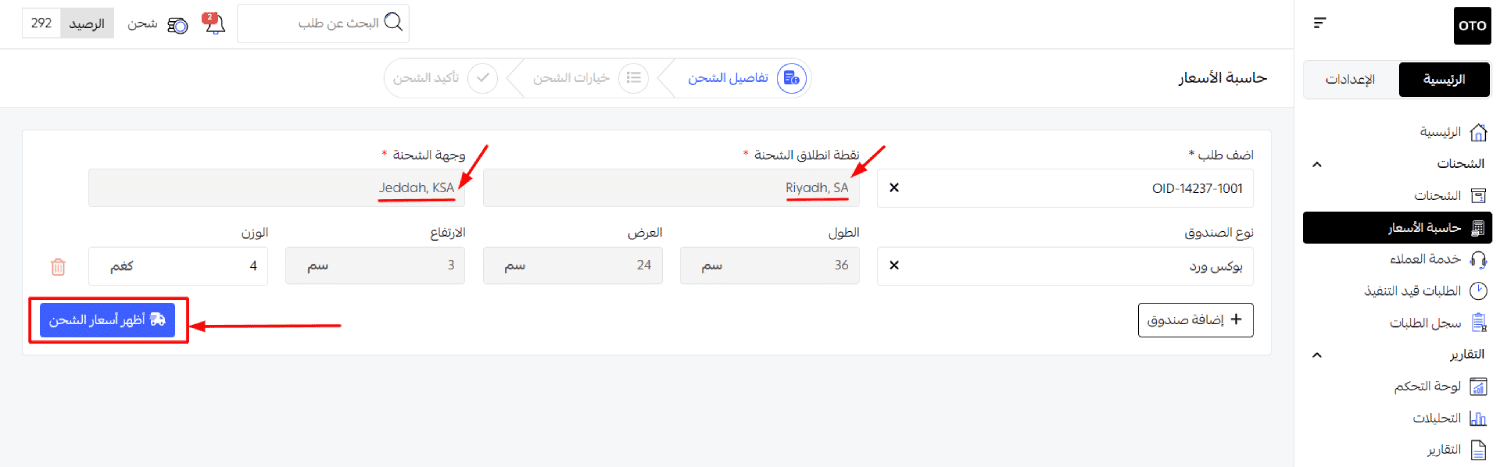
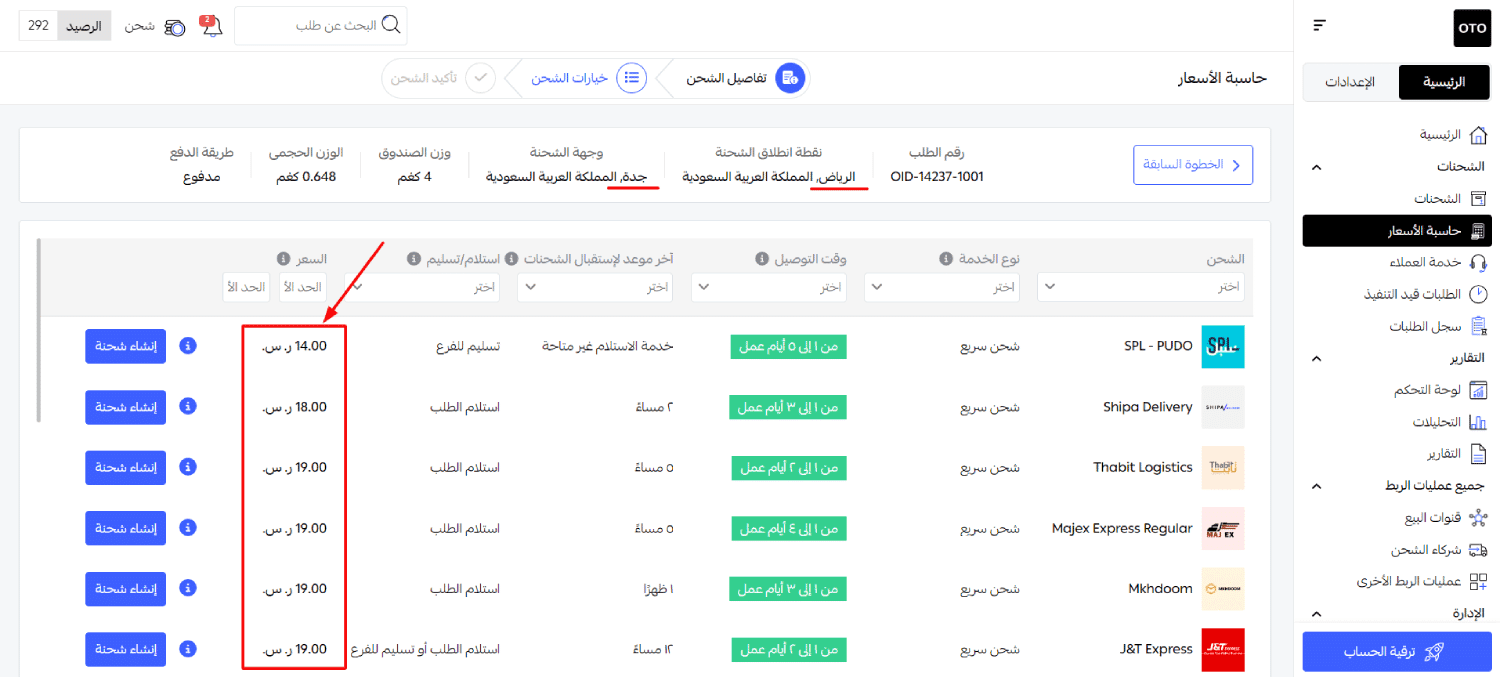
⭐ Here, we emphasize the necessity of using the OTO shipping gateway, which allows you to ship with over 20 companies at discounted rates of up to $90\%$ without the need for private contracts. This is in addition to innovative features that let you manage, ship, track, analyze, and return orders via a simple, seamless control panel.
Creating a free account with OTO gives you the opportunity to achieve the balance between the lowest shipping cost and the highest quality.
2. Shipment Damage During Handling
Shipments move through multiple points before reaching the end consumer, requiring professional handling to prevent damage. To overcome the problem of shipment or product damage during handling:
Use appropriate shipping boxes for the products' size and nature, padding them with suitable materials to prevent impact during shipping.
Choose high-quality packaging materials that protect products from heat, humidity, and breakage during transport.
Place labels indicating the product type and how the shipping company should handle it. This is included in the shipping policies attached to the shipment.
3. Poor Product Packaging
The problem of shipment damage during handling is closely linked to the quality of packaging. Inappropriate packaging may not protect products from shock, moisture, or other environmental changes during shipping.
This not only causes financial losses (due to customer compensation or product replacement) but also damages the company's reputation and customer trust. Customers expect to receive their products in excellent condition, and any lapse in packaging quality leads to a negative experience that harms the brand's reputation. Therefore, investing in high-quality packaging materials and advanced techniques is essential for product safety and maintaining customer satisfaction.
4. Failure to Adhere to the Agreed-Upon Delivery Time
This is one of the most prominent delivery problems for shipping companies and businesses. Delays can occur due to incorrect order processing, traffic congestion, poor order management, and lack of organization, among other reasons.
Suggested Solutions:
Rely on an innovative order processing system like OTO, which simplifies order fulfillment management to avoid human errors that cause delays.
Avoid congested routes and follow the shortest path to the final customer.
Maintain carriers or trucks to prevent breakdowns during shipping.
5. Ineffective Inventory Management
This is a major obstacle for large businesses. Dealing with massive quantities requires close monitoring to ensure the right products are available at the right time. Failure to efficiently manage inventory disrupts the supply chain, negatively impacting customer satisfaction and profitability.
Effective inventory management requires a delicate balance between product availability and storage cost:
Overstocking leads to increased operational costs and risks related to spoilage or expiration.
Stockouts lead to lost sales and profits, causing customer dissatisfaction and pushing them to seek alternatives with competitors.
Poor inventory management also causes cash flow issues, as money is tied up in unsold stock, reducing the ability to invest in other growth opportunities. Addressing these challenges requires:
Relying on advanced inventory management systems that provide a comprehensive view of stock status and aid in accurate demand forecasting, such as the OTO PACK application provided by OTO.
Using technology like big data analytics and AI to optimize efficiency and achieve the optimal balance between product availability and storage cost.
6. Difficulty in Managing and Controlling Returns
Returns pose a significant challenge, especially for large businesses that receive a high volume of returns monthly, increasing operational costs and financial loss.
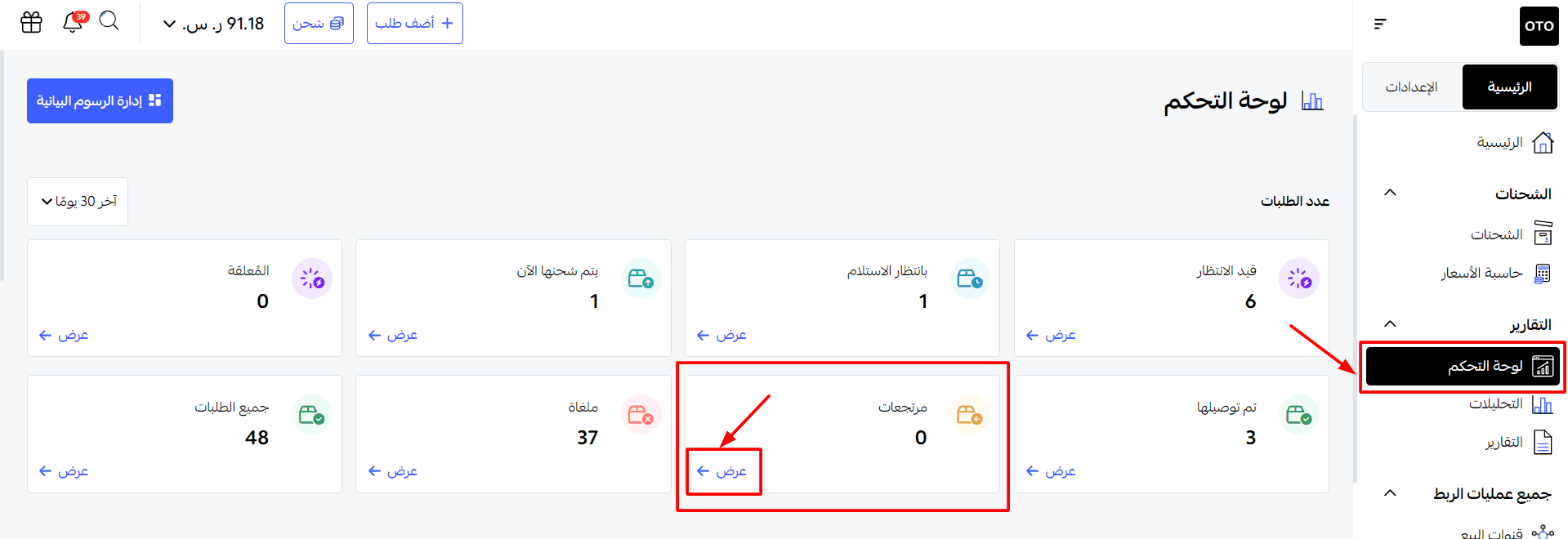
Overcoming this requires relying on an innovative system for managing returns efficiently, such as OTO's advanced returns management system. This system allows for tight control over all aspects of the returns process and facilitates it for both merchants and customers by:
Sending a return form to the customer to simplify the process, allowing them to return the entire order or select specific items and state the reason.
Enabling the merchant to automatically process the request by setting predefined return rules that align with their needs, ensuring a smooth and simple returns experience.
7. Inefficient Operational Processes for Managing the Driver Fleet
The challenge for large businesses regarding their in-house delivery fleet lies in achieving operational efficiency and cost reduction while maintaining service quality. This requires organizing driver schedules and tasks, tracking their locations, and ensuring adherence to delivery times. Ineffective fleet management leads to delays, increased operational costs, and reduced customer satisfaction.
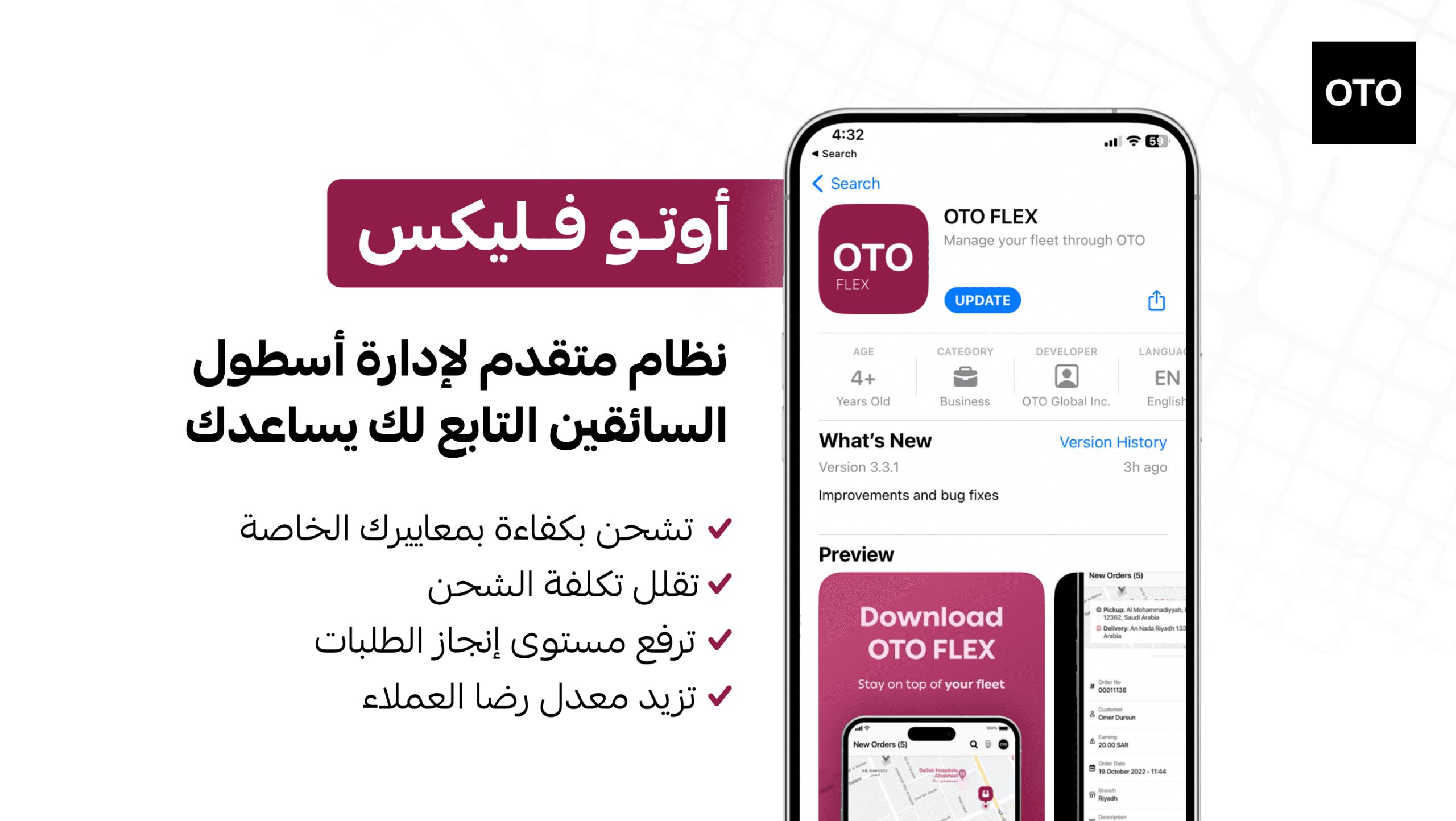
To solve this, the OTO platform innovated a unique system, the OTO FLEX application, which allows large businesses to manage their private driver fleet professionally, acting as an independent shipping company. OTO FLEX enables:
Organizing and distributing tasks, and easily sending/receiving orders to drivers.
Dividing drivers by service area for efficient coverage.
Setting the number of daily/monthly orders a driver can handle to measure performance.
Facilitating driver communication with customers via calls or WhatsApp through the app.
Simplifying proof of delivery/collection via barcode scanning, photos, or OTP codes.
8. Complexity of Managing Multiple Shipping Companies Simultaneously
This represents a major obstacle for large businesses due to the significant time and effort required to coordinate operations precisely because of the multiple parties involved, differing tracking systems, and varying shipping rates and service terms. This complexity often leads to delays, increased costs, and difficulty in maintaining customer satisfaction.
Overcoming this requires adopting effective technological solutions, such as relying on shipping gateways like OTO, which consolidate all shipping carriers into one place through its innovative Shipping Aggregator system. This simplifies the process of managing multiple carriers and executing shipping operations with minimal time and effort, all through a single, comprehensive control panel.
9. Shipping Route Disruptions
External forces beyond control can affect chosen shipping routes (natural disasters, political turmoil, pandemics).
While these events cannot be prevented, they can be mitigated by:
Monitoring weather conditions and anticipating changes based on Forecasting Methods.
Identifying alternative shipping routes for emergency circumstances.
Continuously checking the stability of routes to make timely decisions.
10. Loss or Misplacement of Shipments
Shipment loss or misplacement during delivery is a common problem caused by weak systems for accurate monitoring and real-time problem resolution.
The solution lies in relying on a strong and flexible shipment tracking system that allows both consumers and shipping companies to monitor the shipment's movement at every stage. This provides consumers with a sense of reliability and security, and helps carriers track shipments and address any issue quickly.
11. Difficulty in International Shipping
International shipping poses a major challenge for inexperienced carriers due to complex customs clearance procedures, compliance with restrictive regulations, and additional fees on delayed shipments.
The solution is to contract with an experienced logistics partner that possesses high expertise in international shipping and the capacity to strategically move goods from one point to another to ensure timely delivery.
12. Unprofessional Customer Service
High-quality customer service is crucial, but it is a challenge when dealing with shipping problems often beyond the business's control.
Overcoming this may involve:
Continuous communication with customers about changes and steps taken to resolve shipping issues.
Taking responsibility for the customer, even when the issue is uncontrollable, to increase credibility.
Adopting a more customer-centric approach, involving them in suggesting solutions.
Choosing the appropriate method and language for communication, especially when explaining the problem and presenting solutions.
13. Poor Treatment of Customers by Delivery Agents
This common problem involves rude behavior from delivery agents towards customers. To avoid this, it's essential to vet your contracted shipping carrier to ensure their agents are skilled in customer interaction.
Poor treatment by delivery agents will lead to customer loss and negatively affect your profits and reputation. Therefore, choose an experienced logistics partner who represents your brand well and leaves a good impression. We recommend thoroughly researching the chosen carrier online and on social media and reviewing customer feedback.
If you face any of these problems, here is how to file a complaint against shipping companies in Saudi Arabia.
How to File a Complaint Against a Shipping Company in Saudi Arabia
Due to the numerous issues faced, many customers search for the optimal way to file a complaint against a shipping company.
It is best to first attempt to communicate directly with the shipping company (via phone, email, or social media) to report the problem and demand a resolution before escalating the complaint.
If the problem is not resolved, you can follow these steps to escalate the complaint:
Gather relevant information: Tracking number, shipping date, copy of the invoice, and any other useful details.
Maintain all written evidence and communication with the company and the regulatory body.
File a formal complaint with the authority regulating the shipping and transport sector in Saudi Arabia, which is the Ministry of Transport and Logistics Services (MoTLS). The specific authority may vary depending on the type of shipping (sea, air, or land).
You can also consult the Consumer Protection Association in Saudi Arabia for advice and support in filing the complaint.
To fully protect your rights, we reiterate the importance of having a written Service Level Agreement (SLA) with your carrier, or at a minimum, a clearly documented agreement via email or contract, so that you have a formal basis for any complaint or compensation claim.
Important Metrics for Monitoring Shipping Carrier Performance
If you want to monitor your contracted carrier's performance using an SLA, here are key metrics and KPIs:
Cost of Goods Transported as a Percentage of Revenue: Measures transport costs relative to the company's total revenue for the same period.
On-Time Delivery (OTD): Measures the carrier's ability to meet customer demands and deliver products as quickly as possible. Calculated by dividing the total number of deliveries by the number of deliveries that arrived after the specified date/time.
Loss and Damage: Measures the percentage of products delivered damaged or lost due to human error or incorrect processing.
Transit Time: Measures the total time taken for shipments to move from one point to another, from pickup to final delivery. This helps compare against estimated transit time and predict potential delays.
Picking Accuracy: Measures the number of orders accurately picked from warehouses without errors affecting the shipping process.
Packaging Costs: Measures the cost of picking, packing, and packaging items for delivery (including labor and material costs).
Shipping Invoice Accuracy: Measures the accuracy of shipping invoices by checking the error rate compared to the total number of invoices issued by the contracted company.
OTO's shipping software provides a carrier performance analysis dashboard that gives you real-time data on the performance of every carrier connected to your account.
Important Considerations When Choosing a Shipping Company
To select the right shipping company and avoid common problems, ensure the carrier meets these criteria:
Experience: Possesses high experience to strategically lead the business and provide a unique customer shipping experience.
Shipping Cost: Offers competitive, low costs to boost customer loyalty and reduce cart abandonment.
Delivery Time: Ensures timely delivery without delay, building customer trust and encouraging repeat business.
Support for Diverse Logistics Services: Provides innovative solutions for inventory management, packaging, customs clearance, etc.
Variety of Shipping Methods: Offers diverse options (land, sea, air) for complete flexibility in targeting varied markets and increasing profits.
Frequently Asked Questions About Courier Problems
What is the Saudi authority responsible for shipping companies?
The General Transport Authority (TGA) is the government body that regulates and supervises land, sea, and rail transport activities, including issuing licenses, setting regulations, monitoring performance, and imposing penalties for violations.
What should I do if the shipping company loses my order or shipment?
Contact customer service with the tracking number, report the loss, and request an official loss report.
Document the report and get a reference number.
Keep the invoice and all correspondence.
If the loss is confirmed, request compensation according to the carrier's policy.
If the problem is unresolved, file a formal complaint via the TGA's portal (gov.sa) or the Transport Complaints platform.
How to Choose a Reliable Courier and Avoid Problems?
Ensure the company is licensed by the TGA.
Check customer reviews on social media and review sites for repeated complaints.
Test technical support before contracting to evaluate responsiveness and clarity.
Don't rely only on the cheapest price; choose a company with tracking, COD, insurance, and clear compensation policies.
Start by shipping a small number of orders to monitor performance across all delivery stages.
Choose a company with an integrated digital system (control panel, notifications, e-store integration).
Why is my shipment being held at customs?
Common reasons include: missing or incorrect documents (invoice, certificate of origin), prohibited or restricted items requiring special permits, incorrect customs classification, unpaid customs duties, random or security checks, or suspicion of a commercial nature in a personal shipment.
What causes slow shipping?
Shipping delays are caused by: congestion at processing centers or ports, address or recipient data errors, customs clearance issues, weather or natural disasters, using slow or low-cost carriers, and transferring the shipment between multiple logistics centers.
Conclusion
Courier problems are a reality of e-commerce, but most of them are manageable with the right systems, the right carrier partnerships, and the right monitoring framework. The merchants who suffer least from courier problems are not those who never experience them — they are the ones who detect them early, resolve them quickly, and use data to prevent them from recurring.
OTO gives you the tools to do all three: compare and select carriers before problems start, monitor performance across every carrier in real time, manage returns efficiently, and handle your own driver fleet if needed — all from one dashboard. Create your free account at tryoto.com.

إيهاب محمود