You might think that the era of email marketing is over, but in fact, many stores and startups find it an effective way to reach visitors and convert them into potential customers who contribute to increasing sales.
This is confirmed by Statista, which expects advertising spending in the email advertising market in Saudi Arabia to reach $32.32 million in 2024, and it is expected to grow by 4.91%, leading to a market size estimated at $41.07 million by 2029.
So, if you are not using email marketing to improve your store's position, you are missing a big opportunity to achieve additional profits.
In this article, we will cover everything you want to know about email marketing, its importance, its types, and how to start an effective email marketing campaign?
What is Email Marketing?
Simply put, it is the strategic use of email to communicate with a targeted audience, delivering promotional, informational, or educational content directly to their inboxes. This marketing method leverages the power of personal communication to attract customers, enhance loyalty, and increase their brand visibility.
At its core, email marketing aims to build meaningful connections by sending personalized messages to subscribers. Companies can motivate customers to take specific actions, whether it's purchasing a product, registering for an event, or simply engaging with the content.
These email messages vary from special promotions and product updates to newsletters and educational resources, all designed to keep the audience informed and interested.
We will cover these types in detail below...
12 of the Most Important Types of Email Marketing
Email marketing has several types that achieve different goals, ranging from welcoming new subscribers to re-engaging inactive customers. Here are some common types of email marketing messages:
1. Welcome Emails
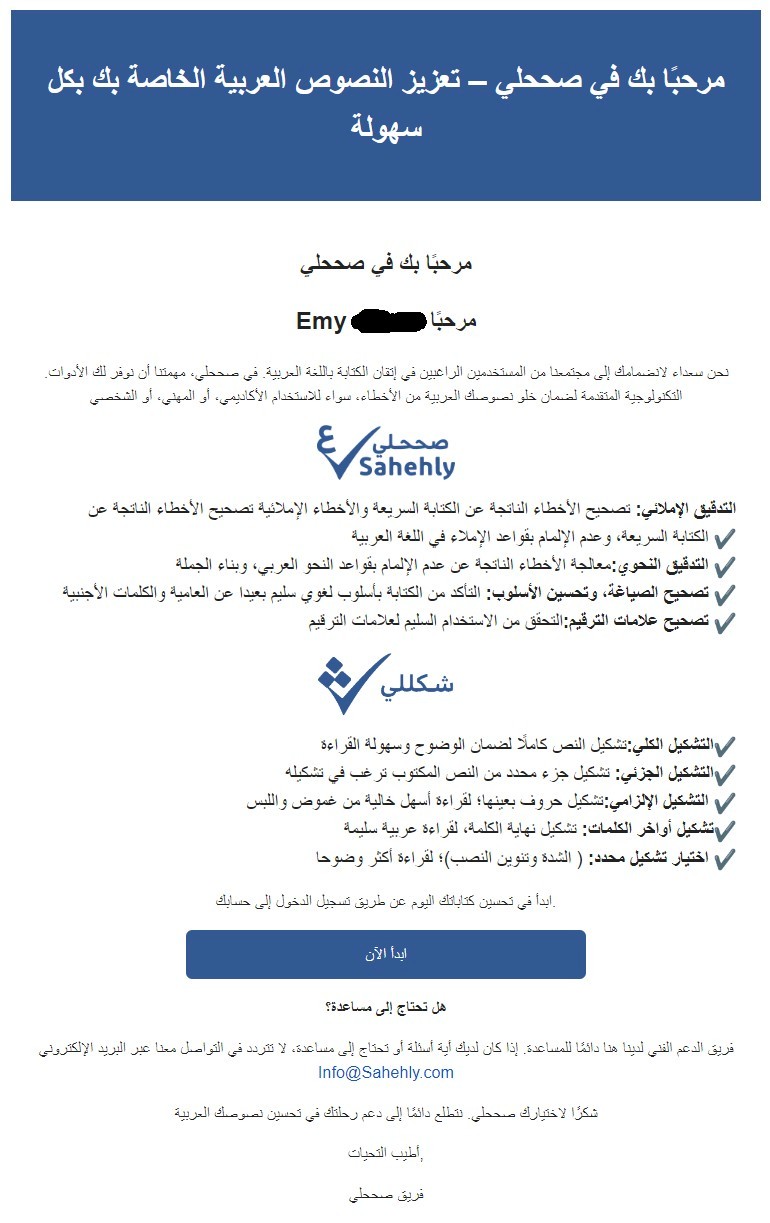
This is the first real interaction between your brand and the new subscriber, aiming to offer a warm greeting and introduce the subscriber to your company, products, or services. These messages contribute to leaving a positive first impression and set the subscribers' expectations for future messages they will receive.
Here is an example from the "Sahihly" proofreading platform, which you receive immediately upon registration or creating an account on the platform:
2. Newsletters
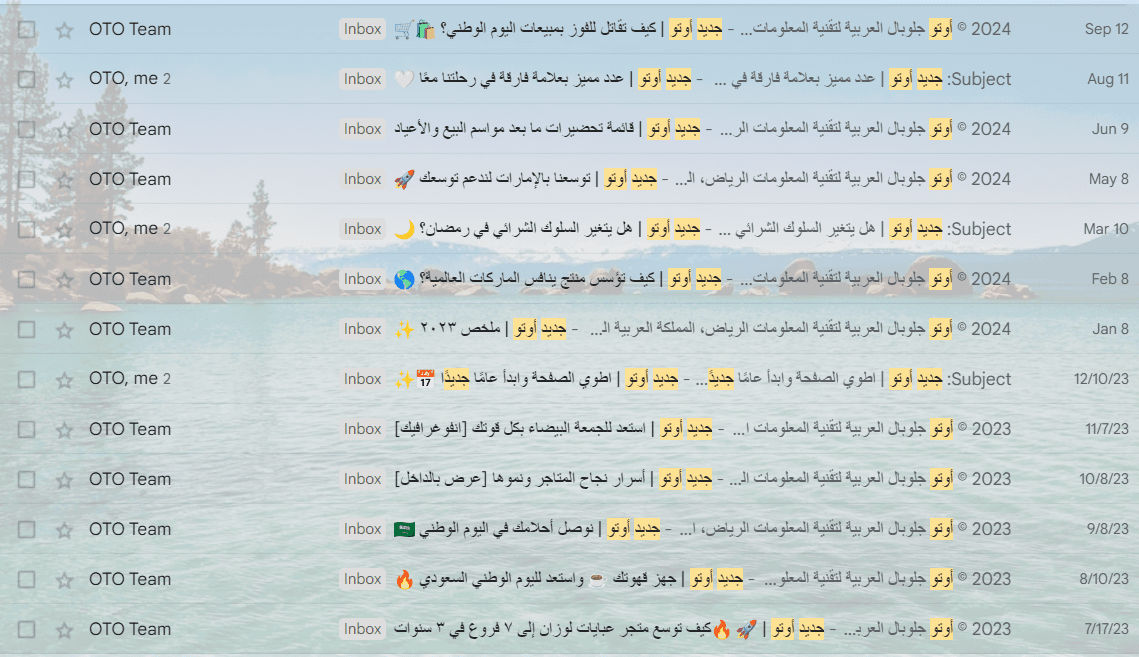
This type of email marketing aims to keep your audience up to date with the latest company news and updates. These messages also include useful educational articles, industry news, product updates, and special offers. Newsletters help build a sustainable relationship with customers by regularly providing valuable and useful content.
Here is an example of the newsletter for the "OTO" shipping portal, which is sent monthly to all OTO customers and followers, including sharing information and tips important to merchants, the latest reports, platform updates, monthly evaluations of the best shipping companies, and much more.
3. Promotional Messages
This is the most common and used type of email marketing, designed to increase sales and raise awareness of products or services. They usually contain special offers, discounts, and announcements about new products.
Here is an example from the "OTO" shipping portal:
4. Seasonal Messages
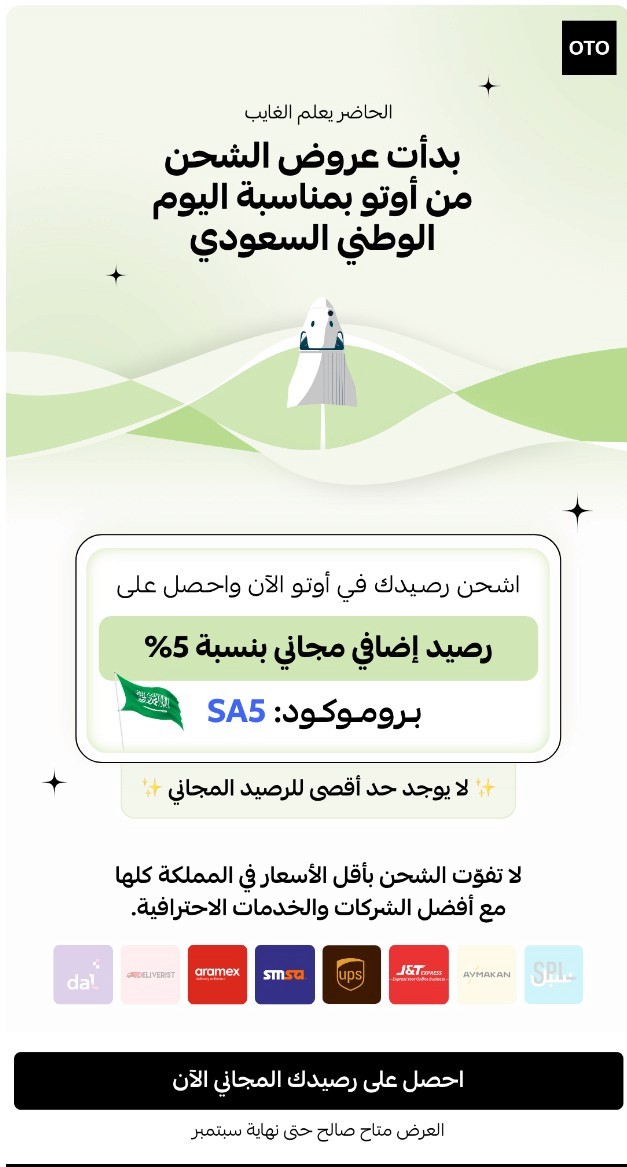
Seasonal messages take advantage of special events and holidays to present relevant content, including holiday greetings and seasonal promotions. These messages increase customer engagement by offering special deals that suit the season or specific occasion.
Here is an example from the "OTO" shipping portal:

5. Transactional Messages
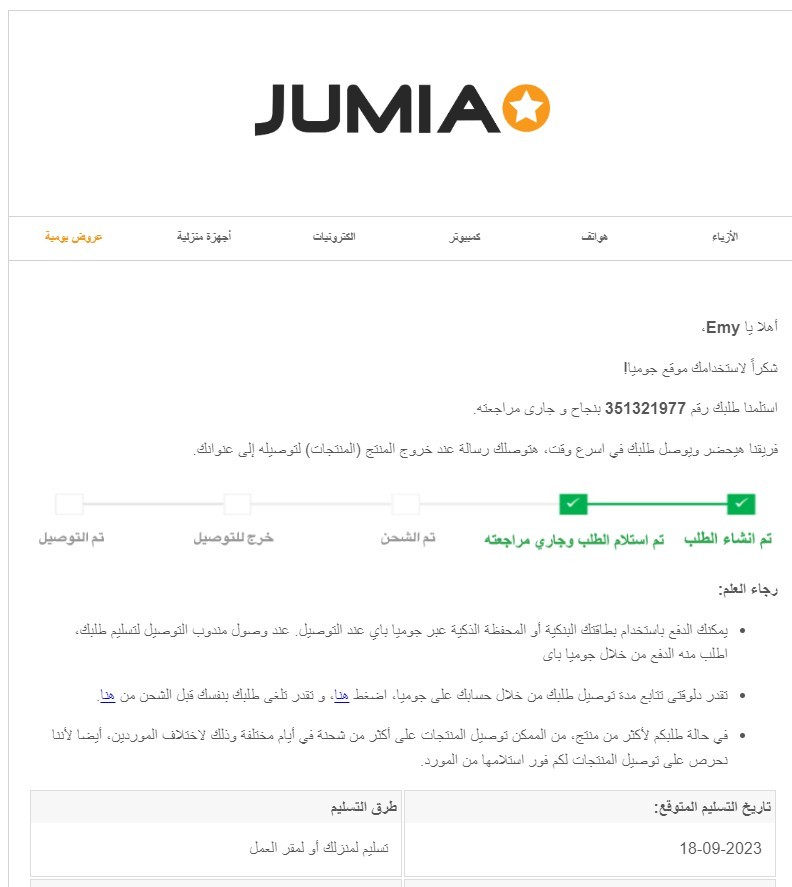
These provide important information about the customer's activities, such as order confirmations, shipping notifications, financial transactions, and more. These messages enhance trust between the customer and the brand by providing accurate and timely information about their transactions.
Here is a part of an email from the "Jumia" store, sent after a purchase is made on the store:
6. Re-engagement Emails
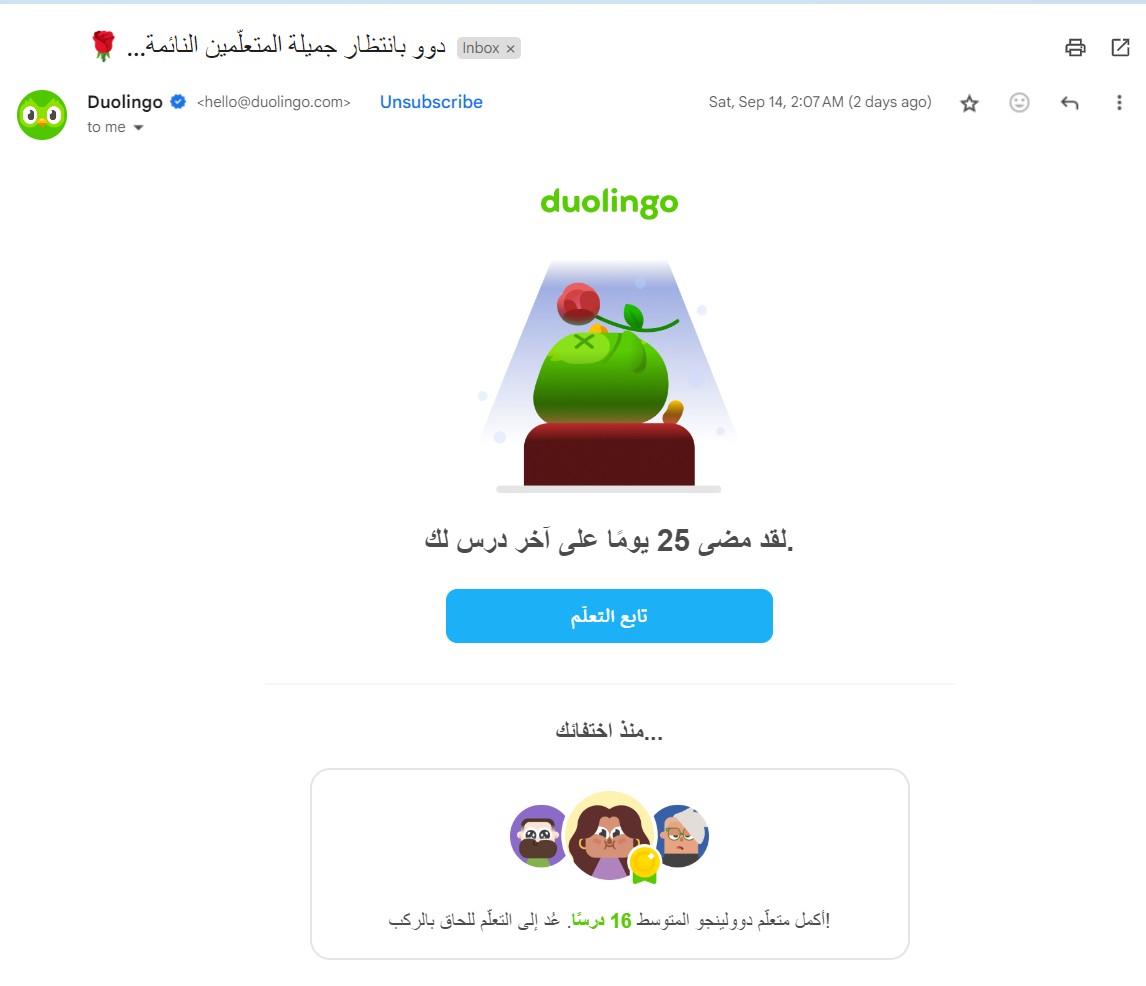
These messages aim to regain the interest of inactive subscribers, containing special offers and reminders of the benefits the customer receives from the brand.
Here is a simple and creative example from the "Duolingo" language learning platform:
7. Survey and Feedback Messages
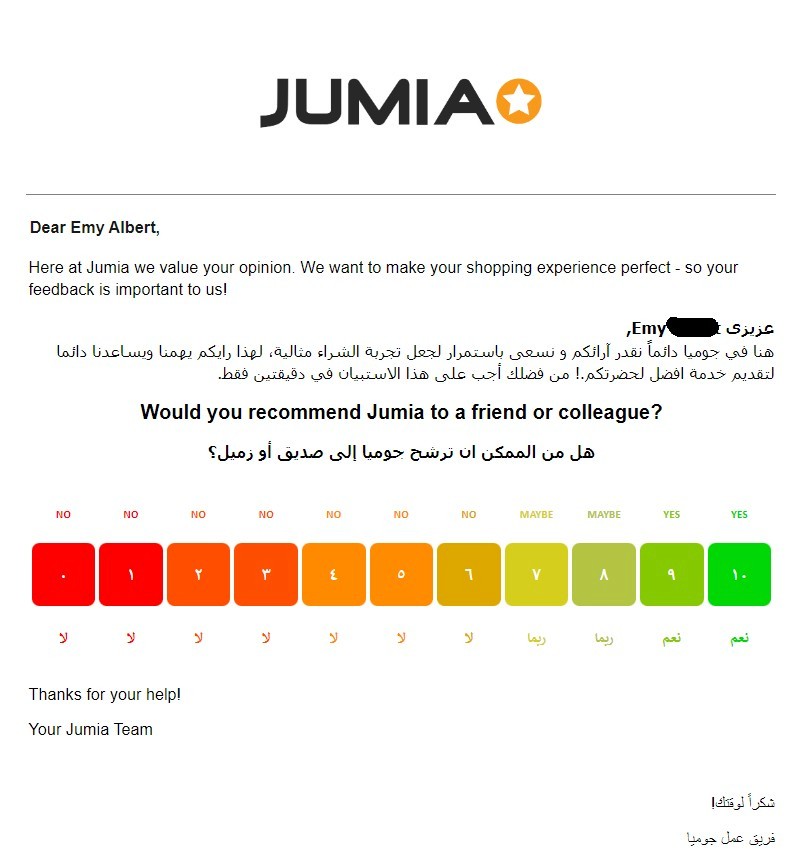
Through these, customer opinions and feedback on products or services are collected. These messages help companies understand customer needs and preferences, enabling them to improve their offerings and better meet customer expectations.
The following example is also from the "Jumia" store:
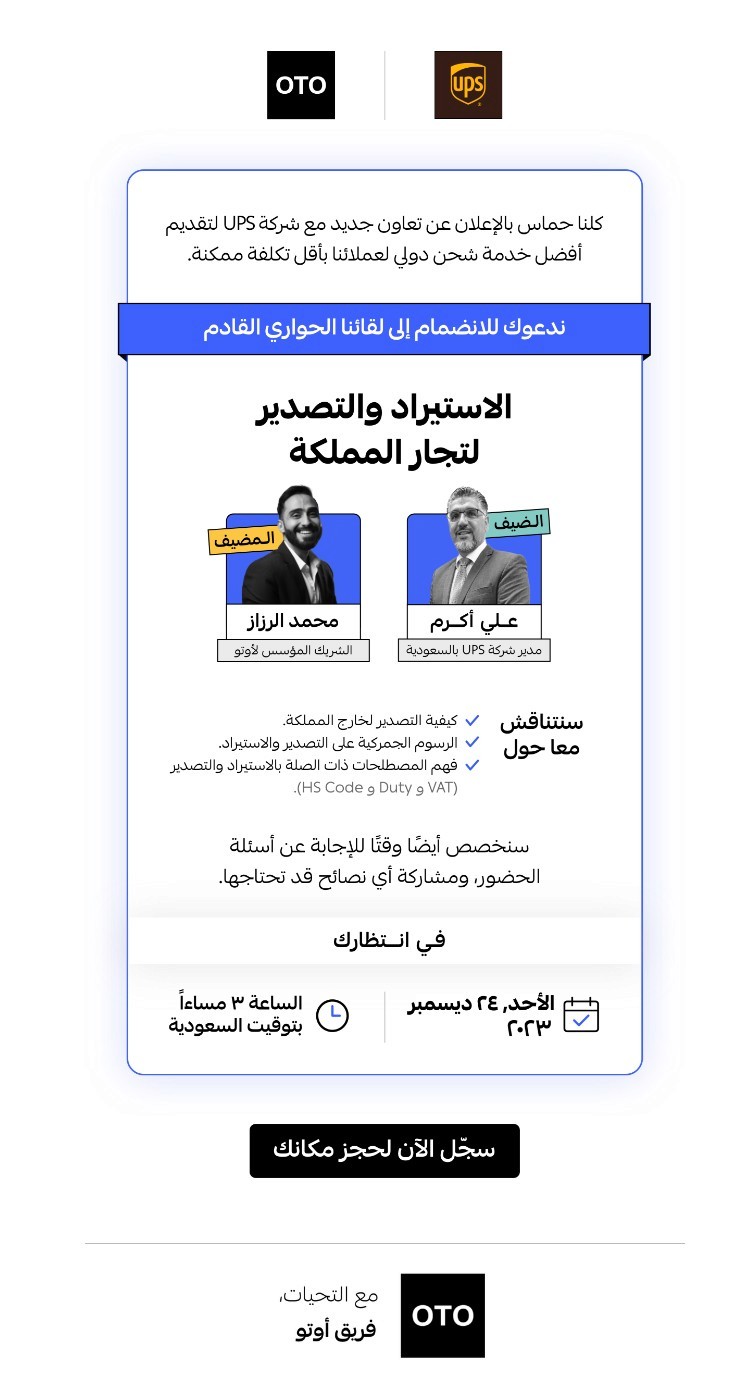
8. Event Invitation Messages
These are sent to inform subscribers of upcoming events, such as conferences or webinars, and include details about the date, time, and location of the event and how to register. They contribute to increasing attendance and engagement with the brand through direct activities.
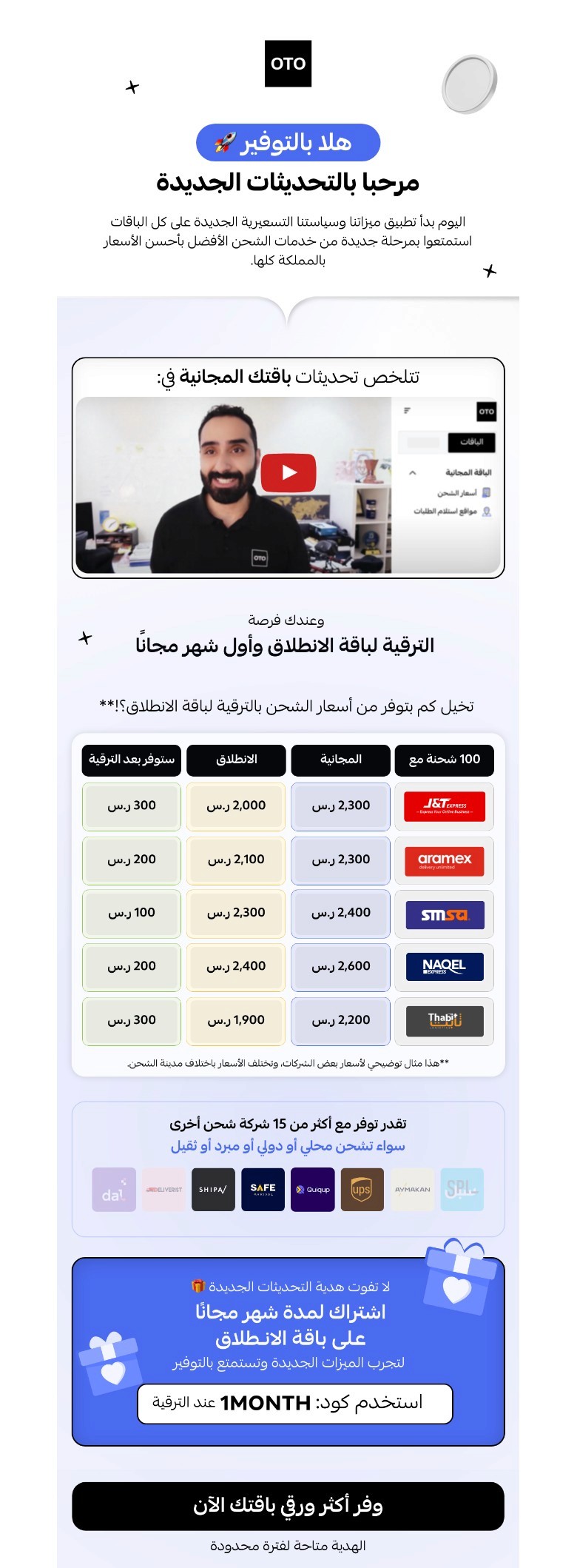
9. Product Update Messages
They aim to inform customers about new features or products, providing comprehensive details about improvements and additions, which helps customers stay informed and make the most of the products or services offered.
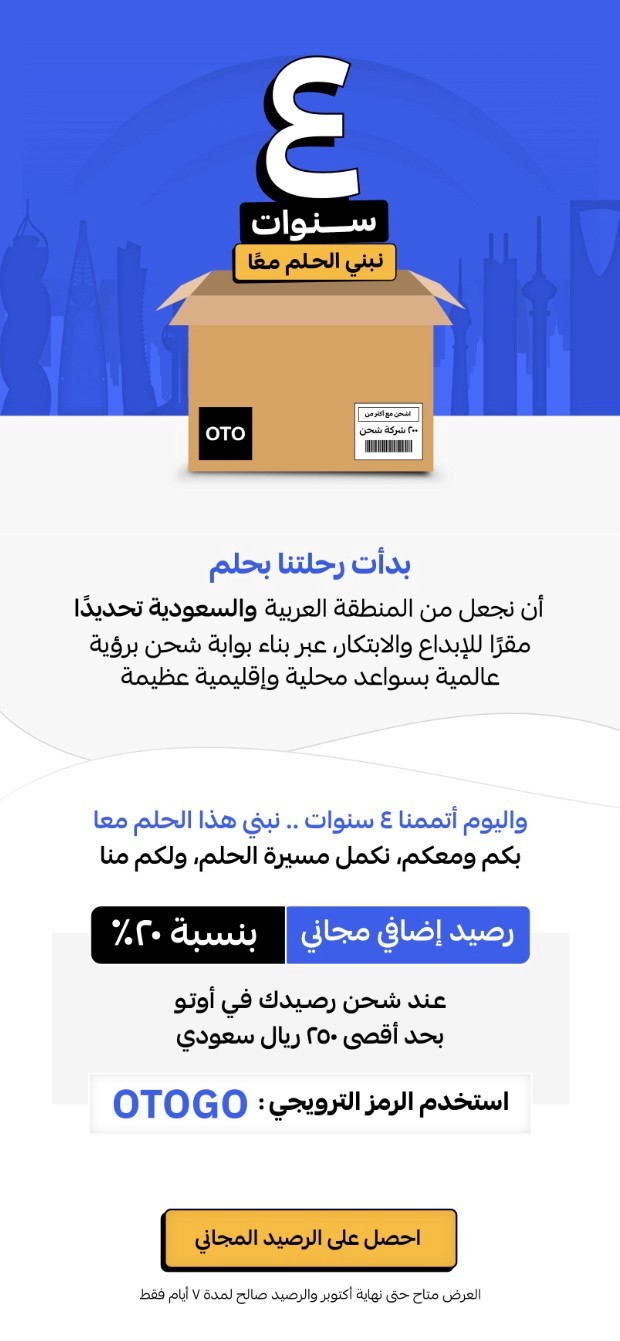
10. Anniversary Messages
These messages celebrate the company's or customers' milestones, such as birthdays, subscription anniversaries, or achieving a specific accomplishment. They include personalized greetings and special rewards that strengthen the personal relationship between the customer and the brand, increasing customer loyalty and continuous engagement.
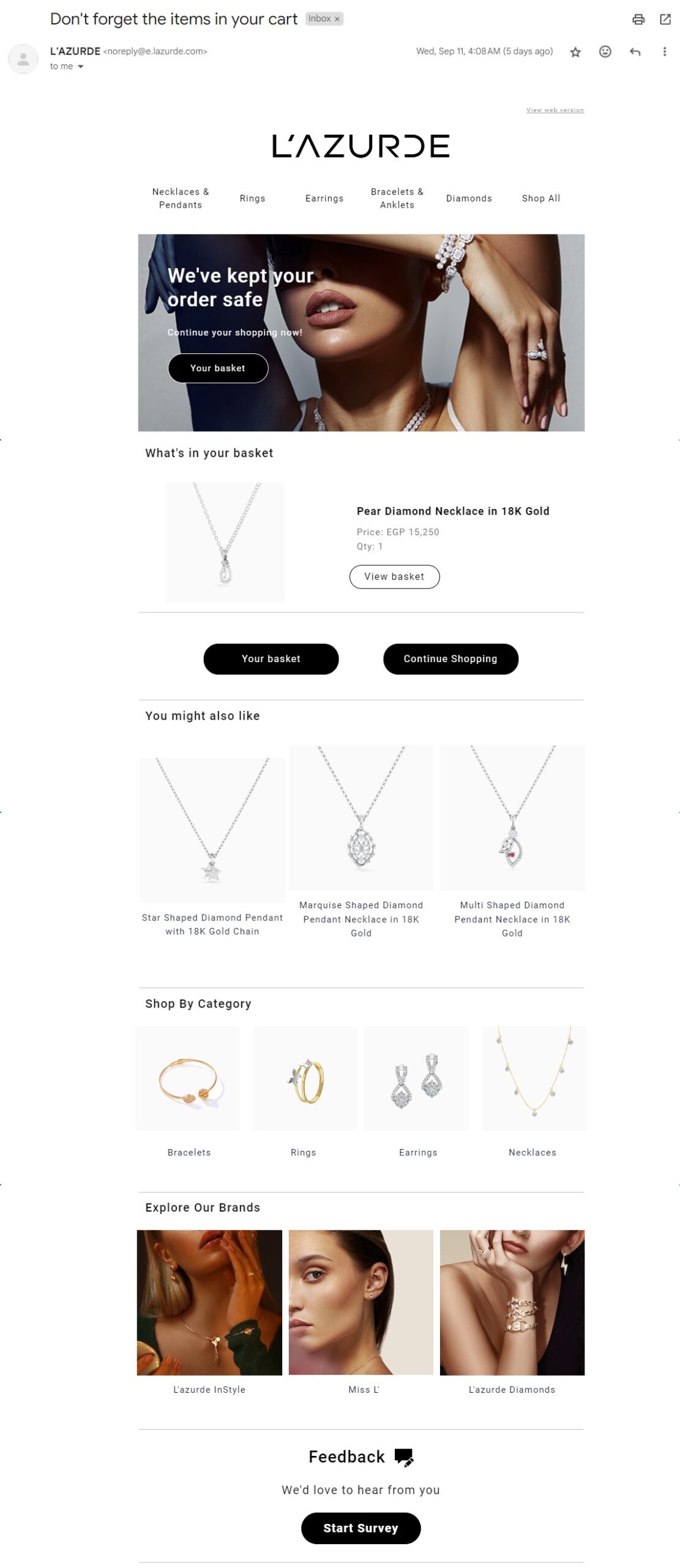
11. Abandoned Cart Emails
These target customers who left their shopping cart without completing the purchase, including reminders about the abandoned products and incentive offers to complete the purchase, which helps recover lost sales and increase revenue.
The following example from the "L'azurde" jewelry store is a reminder to complete the purchase and suggestions for other products in the same category or other categories that might interest the customer.
12. Thank You Emails
These express gratitude to subscribers for their support and interaction, including thank you messages for purchases, registrations, or comments, which fosters a positive relationship and encourages continued customer interaction and support.
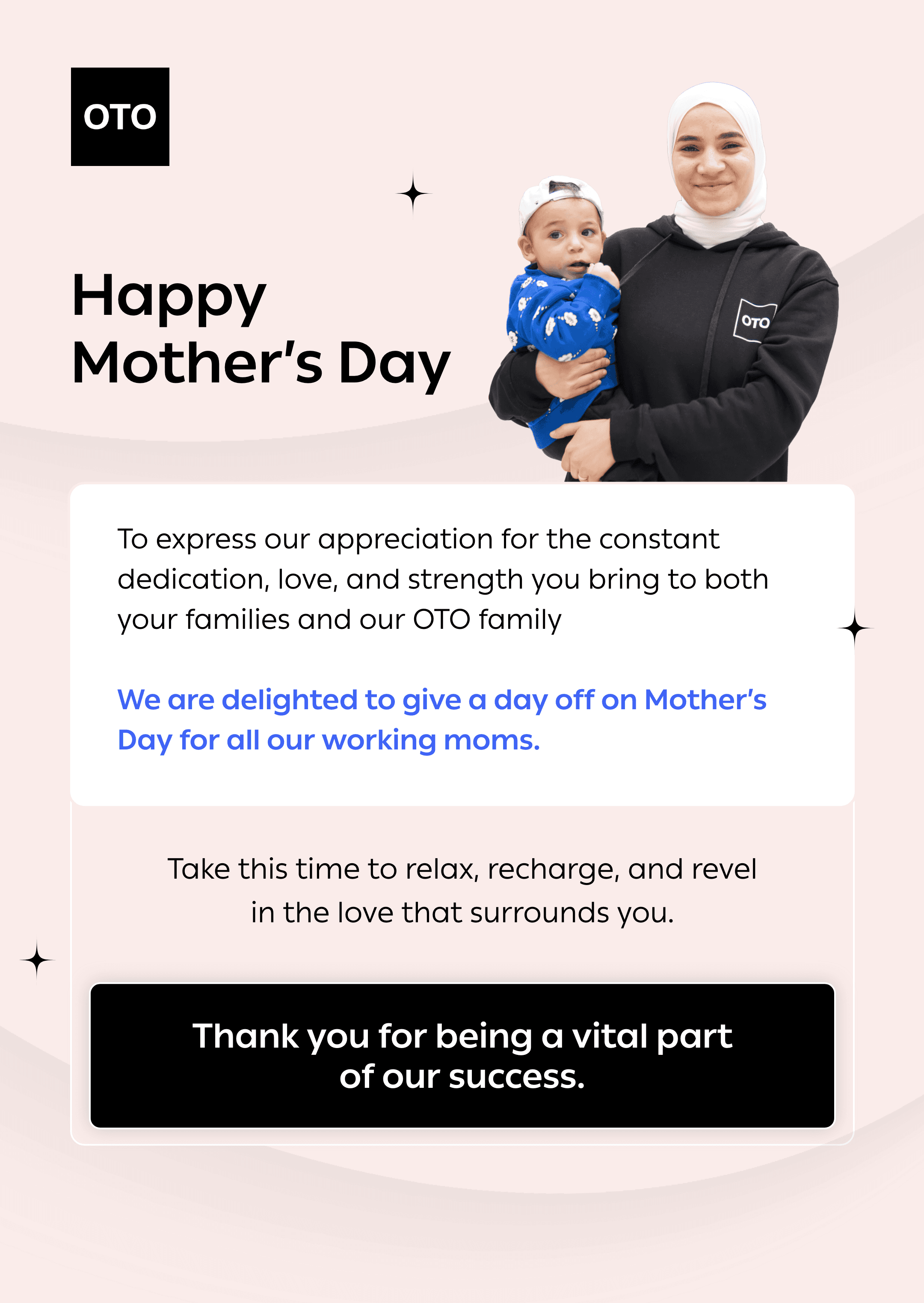
Such messages can also be sent to employees working at the company to strengthen their relationship with it, provide moral support, and increase their loyalty and belonging to the company, as is the case in this email sent by OTO to its female employees on the occasion of Mother's Day, informing them that it is a special holiday just for them in appreciation of their efforts and support for their families and communities.
After reviewing all these types, we come to the most important question:
How to start an email marketing campaign?
Starting an email marketing campaign requires several steps to ensure its effectiveness and reception by your audience. Here is a guide to help you get started:
Step One: Define Your Goals
Initially, you must define what you want to achieve from your email campaign (such as increasing sales, boosting website traffic, promoting a new product, etc.).
Next, you must define Key Performance Indicators (KPIs) to measure the success of your campaign, such as open rates, click-through rates, conversion rates, unsubscribe rates, and so on.
Step Two: Build and Segment Your Email List
First, you need to collect subscribers and their email addresses through registration forms on your website, social media, events, and so on. Some may resort to buying ready-made lists (which we never recommend as it requires compliance with data protection laws and ensuring you will not receive any complaints from your target customers).
Second, you must segment your email list based on criteria such as demographics, previous purchase behavior, or engagement level, to send more targeted and relevant messages to the audience.
Step Three: Choose an Email Marketing Platform
Choose an email marketing service provider such as Mailchimp, Constant Contact, or Sendinblue, and most importantly, one that suits your needs and budget.
Next, you will need to set up your account and upload the segmented email list to the chosen platform.
Step Four: Design Your Email
You can use the email platform's templates or design your own templates to ensure consistency with your brand.
Then comes the time to write engaging content. You must write attractive subject lines, Preview Text, and the message content. Make sure to include a clear Call to Action (CTA).
Add visual elements to the email, as shown in the previous examples, such as high-quality images, videos, and graphics to make your email more appealing.
Step Five: Test Your Email
Test your emails by conducting A/B tests to examine different subject lines, different content, different images, and different calls to action to find out what resonates best with your audience.
Before sending the email to your customer base, send a test email to yourself and your team to ensure everything looks good across different devices.
Step Six: Send Your Email
Determine the best time to send your email based on your audience's behavior, and schedule the messages accordingly.
Automate your messages if possible by setting up automated email sequences for specific actions, such as welcome messages for new subscribers or follow-ups for abandoned carts.
Step Seven: Monitor and Analyze Results
Monitor performance using the analytics provided by the email marketing platform to track open rates, click-through rates, conversion rates, and other key performance indicators.
Use the insights gained from your analysis to modify and improve future email campaigns.
Step 8: Ensure Compliance and Data Protection
Ensure that your email marketing practices comply with data protection regulations such as the Saudi Personal Data Protection Law (PDPL).
Add an easy way for recipients to unsubscribe from your emails.
Additional Tips
Content Personalization: Use personalization tactics such as including the recipient's name or customizing the content according to their interests.
Mobile Compatibility: Ensure your emails are optimized for mobile devices, as many people read emails on their phones.
Consistency: Maintain a regular sending schedule to keep your audience engaged, but avoid overwhelming them with too many messages.
By following these steps, you can create effective email marketing campaigns that engage your audience and achieve the desired results for your business.
To effectively track and analyze the performance of email marketing campaigns, the following indicators can be considered:
Top 10 Indicators for Measuring Email Marketing Effectiveness
Open Rate: Reflects the number of people who open your email. This indicator shows the effectiveness of the email titles and the level of interest in your brand.
Clickthrough Rate (CTR): Expresses the number of recipients who click on links within the email, showing their engagement with the email content.
Conversion Rate: Indicates the number of recipients who complete a specific action (such as making a purchase or registering for a webinar) after clicking on a link in the email. This indicator directly links email campaigns to business goals and revenue.
Bounce Rate: Shows the number of messages that did not reach the recipient's inbox. A high bounce rate may indicate issues with the quality of the email list or problems with the mail server.
Unsubscribe Rate: Expresses the number of people who choose to leave your email list after receiving an email. This indicator helps monitor the health of the email list and understand the relevance of the content.
List Growth Rate: Measures how quickly your email list is growing. This indicator reflects the effectiveness of your list-building efforts.
Spam Complaint Rate: Expresses the number of people who classify your email as unwanted mail (spam). A high complaint rate can affect your sender reputation and the deliverability of future messages.
Return on Investment (ROI): Measures the overall profitability of your email marketing campaigns. This indicator shows the effectiveness of your investment in these campaigns.
Referral / Sharing Rate: Reflects the number of recipients who forward your email to a friend or share it on social media. This indicator suggests the value and relevance of the content, which organically increases your reach.
Email Deliverability Rate: Shows the extent to which your messages reach recipients' inboxes. This indicator ensures that your email reaches the target audience.
Now we come to another highly important question about how to build an email list.
How to Build an Email List?
Building an effective email list requires a good and smart strategy, which we summarize in the following steps:
Create valuable content by working on writing useful articles relevant to your audience, sharing your personal experiences, and answering their questions directly. You can also offer them educational materials or free guides they can download after registering their email.
Use simple Forms to collect your customers' emails and place them prominently on your website. You can use pop-up windows to attract visitors to register their emails, but make sure they are not annoying.
Incentivize Subscription by offering exclusive deals and discounts to people who register their email or organizing contests that give participants a chance to win prizes in exchange for registering their email.
Use social media and share links to subscription forms across your social media pages.
Use paid ads on Facebook and Instagram to attract new subscribers.
Work on Search Engine Optimization (SEO) and use relevant keywords to attract more visitors to your site. You can also write Guest Posts on other websites and place links to your subscription form.
Collaboration and Partnerships with companies that offer complementary services and jointly promote email lists, in addition to organizing online seminars and requiring email registration to participate.
Use Ratings and Surveys to gather opinions and suggestions from your customers, offer them the chance to subscribe to your email list, and showcase testimonials from current customers to encourage new subscribers to join.
Continuous Analysis and Improvement and monitor the performance of subscription forms and different growth sources, test different strategies, and modify them based on results to improve the subscription rate.
Building a strong email list requires time and effort, but with effective strategies and valuable content, you can attract new subscribers and convert them into loyal customers.
Remember that human connection is key; the more personal and direct you are in your communication, the greater your chances of building a good relationship with your subscribers.
The Importance of Email Marketing for Your Store's Success
Email marketing is considered a powerful tool that can significantly contribute to your store's success. It is one of the most effective ways to communicate with customers, build long-term relationships, and increase sales.
Here is why email marketing is essential for your store's success:
Direct Communication with Customers
Email marketing allows you to communicate directly with your customers, unlike social media or other channels where algorithms control message visibility. In this case, your emails go directly to your customers' inboxes. This ensures that your message is seen by your audience, making it a reliable way to convey important information, promotions, and updates.
Personalization and Targeting
Through email marketing, you can segment your audience based on their behavior, preferences, and purchase history. This allows you to send personalized content that aligns with each segment, leading to higher engagement and conversion rates, as customers are more likely to respond to relevant content.
Marketing with Lower Cost
Email marketing is considered one of the most cost-effective marketing strategies. This type of marketing requires a smaller budget compared to other marketing methods while achieving a high Return on Investment (ROI), making it a suitable choice for stores of all sizes.
Building Customer Loyalty
Regular communication with your customers via email contributes to building trust and loyalty by offering valuable content, exclusive deals, and personalized recommendations, thereby enhancing their sense of belonging. Loyal customers are more likely to make repeat purchases and even become advocates for your brand.
Increasing Sales and Conversions
Email marketing is a powerful driver of sales and conversions. By sending targeted promotions, special offers, and abandoned cart reminders, you can encourage customers to make purchases. Additionally, email campaigns can be designed for upselling and cross-selling products, thereby increasing your revenue.
Measurable Results
One of the main advantages of email marketing is the ability to measure its effectiveness by tracking performance indicators such as open rates, click-through rates, conversion rates, and others. This data provides valuable insights into what works and what doesn't, allowing you to continuously refine your strategy for better results.
Improving Customer Experience
Email messages can generally improve the customer experience by providing relevant and timely information. For example, you can send order confirmations, shipping updates, and personalized product recommendations. These communications not only keep customers informed but also add value to their shopping experience.
Increasing Brand Awareness
Consistent email communication helps keep your brand top-of-mind for your customers. Regularly appearing in their inboxes with valuable content ensures your store remains a priority. The higher the brand awareness, the more it leads to customer retention and attracting new customers through word-of-mouth recommendations.
Flexibility and Diversity
Email marketing offers flexibility in terms of the types of content you can share, ranging from newsletters and promotions to customer surveys and product announcements. This allows for smooth use of email marketing for various purposes, ensuring it remains a core part of your overall marketing strategy.
Automation and Efficiency
Email marketing platforms offer automation features that save time and effort. You can set up automatic email sequences for different customer actions, such as welcome messages, follow-ups, and re-engagement campaigns. This automation ensures that your email marketing campaigns run smoothly and efficiently, even as your customer base expands.
In Conclusion,
Email marketing demonstrates significant effectiveness in markets as a powerful way to communicate with customers and build sustainable relationships. Through innovative strategies and personalized content, companies can achieve remarkable increases in sales and enhance customer loyalty.
We must also point out that email marketing is not just a means of promoting products, but a powerful tool for creating a unique customer experience, increasing their brand awareness, and achieving high returns on investment. This requires careful planning, effective use of automation, and continuous monitoring and analysis of results to improve performance.
If you are looking to boost your store's growth and increase your sales in the Saudi market, adopting an email marketing strategy can be the optimal step to achieve your goals. By investing time and effort in building a strong email list, providing valuable content, and regularly monitoring performance, you will be able to achieve amazing results and exceed your customers' expectations.

Mohamed Alkady