Looking around us, we find that development has become a distinctive feature of this era. Just as technology is developing at an astonishing pace, consumer behavior is also changing in response to this change, especially with the flourishing field of e-commerce and the reliance on online shopping.
Marketing is no longer just a traditional activity, but has turned into a creative journey that requires strategic intelligence and a deep understanding of human behavior to professionally promote products and services, which led to the emergence of an innovative term in the field of marketing called Smart Marketing.
What is smart marketing? What are its elements, most important strategies, and latest trends? This is what we will answer in the following lines.
What is the meaning of smart marketing?
Simply put, it is the art of utilizing data and analytics to understand customers' needs and desires, and then designing customized marketing campaigns that achieve maximum impact at the lowest cost, relying on advanced technologies such as artificial intelligence, machine learning, and data analysis tools.
Smart marketing aims to understand customers' purchasing behavior and know their preferences based on purchasing records and browsing data, with the aim of targeting them professionally and guiding them strategically to achieve the desired goals and increase profits.
It is worth noting that the technological requirements and tools necessary for smart marketing depend on the goals of the commercial activities to be achieved, the target audience, and the available budget.
You may wonder, is smart marketing different from digital marketing?
The answer is yes, as there are some fundamental differences between the two terms, and here are some points that clarify this:
Definition:
The term digital marketing refers to various marketing activities that take place online, including various digital channels, and the implementation of strategies and tactics that aim to promote products and services and increase profits.
While smart marketing is an advanced sub-approach and a type of types of e-marketing or digital marketing, as it focuses on using data and its analysis to better customize marketing campaigns, improve their effectiveness, and achieve the desired goals with higher efficiency.
Approach:
Digital marketing focuses on increasing brand awareness and promoting products and services in general, and aims to attract the audience and increase sales volume across various digital channels.
While smart marketing focuses on achieving a customized marketing experience for each customer by understanding customer behaviors through collecting and analyzing data to provide data-driven recommendations to meet their needs and gain their satisfaction.
Tools:
Digital marketing relies on analytical tools integrated into social media platforms to analyze the effectiveness of campaigns and their achievement of goals.
As for smart marketing, it relies on advanced tools such as customer relationship management (CRM) programs, marketing automation tools, and data analytics platforms based on artificial intelligence and machine learning technologies.
Communication and Interaction:
Digital marketing generally relies on exchanging messages and communicating with consumers through digital channels such as social media, email, websites, and digital advertisements, with the aim of attracting customers' attention and engaging them and their interaction with the marketing content.While smart marketing allows personal and customized communication with customers based on data and analytics through chatbots, recommendation engines, and live chat based on artificial intelligence and machine learning applications to provide customized marketing experiences for each customer based on their personal interests and preferences.
In general, digital marketing is a broad scope of methods and strategies for promoting products and services online, while smart marketing is an advanced approach to digital marketing that relies on data to improve results and better customize marketing campaigns.
Characteristics of smart marketing goals
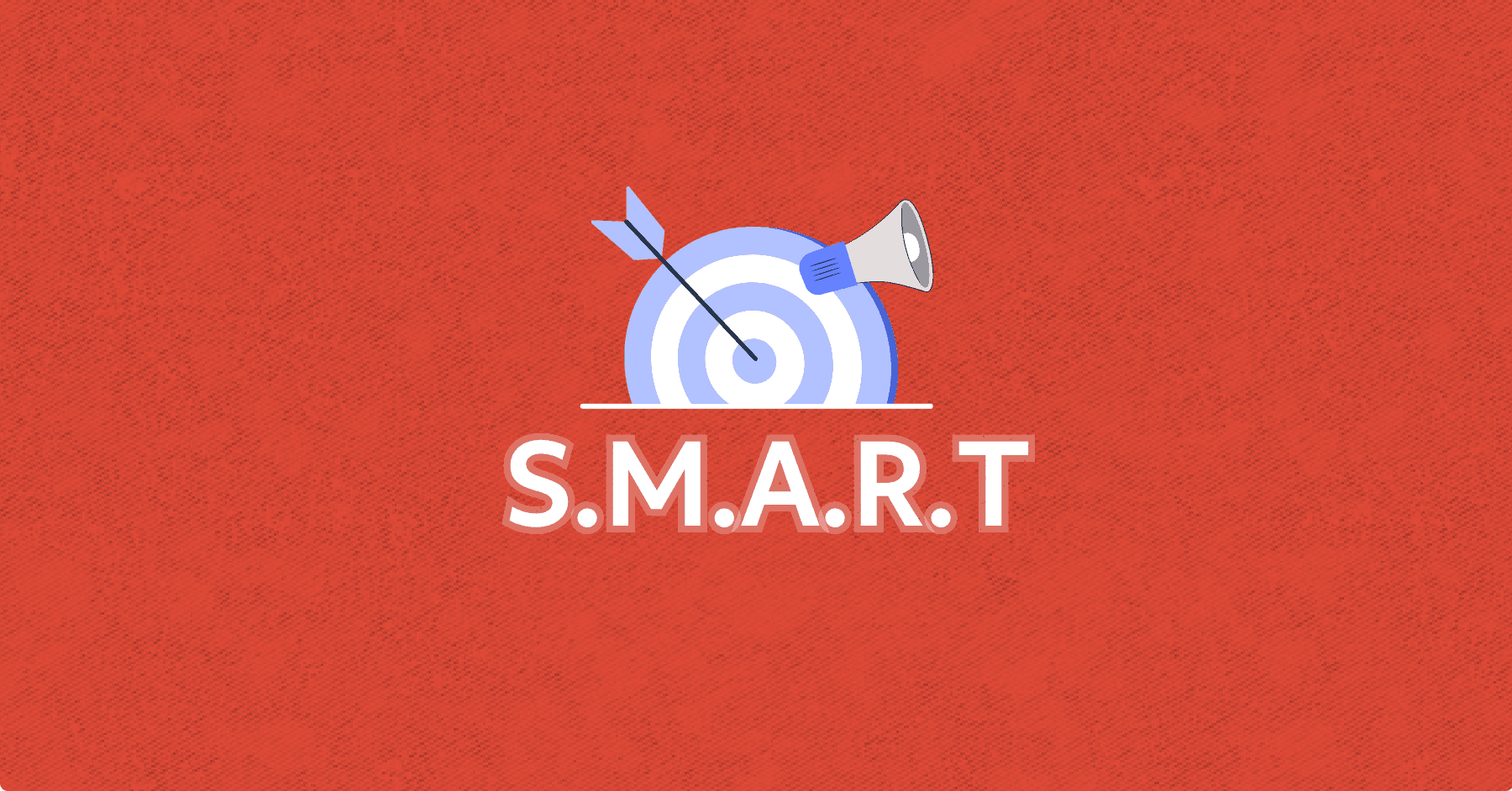
Smart marketing goals include five main characteristics that form the core of this innovative marketing approach, which are:
1. Specific
This pivotal characteristic refers to defining the desired goals clearly and specifically. Instead of setting a general goal such as (increasing sales), this element requires making the desired goal more specific, such as: (increasing sales by 10% during this quarter compared to the previous quarter) and then directing future marketing efforts and setting innovative strategies to achieve this goal efficiently and effectively.
2. Measurable
This characteristic relates to defining measurable performance indicators that will be used to evaluate the achievement of the specified goal for the expected results.
For example, if the goal is related to increasing sales, indicators such as the number of units of the product sold, net profit, or other performance indicators can be used to measure progress, which helps provide data that can be analyzed to evaluate the effectiveness of the used marketing strategy and work to develop it.
3. Achievable
Smart marketing requires that the defined goals be realistic, meaning achievable and not impossible, based on the available resources and capabilities. You can easily reach these realistic expectations by relying on collecting data that supports them and analyzing it to move away from expectations that are not based on evidence.
This is extremely necessary when implementing any of the smart marketing strategies when launching a marketing campaign, which contributes to:
Optimizing resource allocation where commercial activities can direct their resources more effectively toward opportunities with the greatest probability of success.
Increasing operational efficiency by reducing wasted time and money on unproductive efforts.
Boosting team morale and motivation which leads to increased productivity and creativity.
Improving decision-making by providing a clear framework for decision-making, which allows for better adaptation to changes in the market and external conditions.
Accurately measuring success and evaluating the effectiveness of marketing campaigns and their achievement of desired goals efficiently and without confusion.
4. Relevant
Defining relevant goals is an essential element in smart marketing, as it refers to the necessity that the defined goals be relevant and compatible with the overall strategic vision of commercial activities or institutions, which ensures the application of various smart marketing methods and strategies in harmony with the institution's goals, contributing to achieving the desired results efficiently and effectively.
5. Time-bound
This characteristic requires the necessity of working within a specific time frame to effectively achieve the defined goals for several reasons:
Clarity of vision and helping to define marketing goals and explain them clearly to the work team and divide them into smaller, achievable tasks.
Measuring the progress of marketing campaigns periodically, and determining whether they are moving in the right direction or need adjustments.
Maintaining and motivating the work team's drive to achieve the desired goals efficiently.
These reviewed elements represent the basic pillars when building a marketing plan that adopts the smart marketing approach, which is applied through multiple methods, some of which we review below.
The most prominent methods and strategies of SMART Marketing
There are many methods relied upon by commercial activities that use the smart marketing approach, and perhaps the most prominent are:
First: Chatbot
It is one of the emerging methods in smart marketing based on employing conversation applications to enhance interaction and communication between brands and the target audience with the aim of boosting sales and providing excellent customer service.
This method relies on live chat or chatbots that are integrated into websites and instant messaging applications such as (Messenger and WhatsApp) to respond to customers' questions and inquiries regarding product or service details and provide customized recommendations and support to them in real time.
The application of this method requires taking into account many things to achieve maximum benefit for your commercial activity, including:
Choosing the appropriate chat tool for business needs and the type of target audience.
Collecting and analyzing customer data from various sources such as websites, mobile applications, and social media to understand their behaviors, needs, and preferences and choose the ideal chatbot.
Building Buyer Personas based on the collected data, which helps to better understand the needs of each customer segment and professionally use chatbots to provide a customized shopping experience.
Second: Geographic Marketing
Geographic marketing is one of the latest smart marketing methods that allows traders to target customers with greater accuracy and effectiveness, by integrating geographical data with approved marketing strategies and then directing marketing messages and promotional offers to the right audience in the right place.
This method relies on analyzing various geographical data, including the geographical location, which includes the customer's place of residence or work, demographic data, and interests. This innovative marketing method is useful in:
Marketing messages reaching customers who are actually interested in the products or services offered.
Improving return on investment by increasing the effectiveness of marketing campaigns and reducing costs.
Enhancing interaction and creating customized marketing experiences that meet customer needs and urge them to interact.
Exploring available opportunities to expand into new geographic areas.
To apply geographic marketing as an innovative smart marketing method, you should:
Collect geographic data about your current and potential customers, such as geographical location, behaviors, demographic and economic data, and interests.
Use innovative data analysis tools to understand customer behaviors and identify hidden patterns to develop effective and influential marketing messages.
Identify the targeted customer segments based on the available data to create customized marketing campaigns that suit the needs of each targeted segment.
Define key performance indicators to measure the success of marketing campaigns based on this method and monitor them constantly to modify them according to the data.
Third: Marketing through Stories on social media channels
This innovative method has gained great popularity because it provides the possibility to market products and services in more creative ways. It has become one of the best advertising strategies on various social media channels such as (Facebook, Instagram, and Snapchat), due to its ability to significantly increase brand sales.
The secret to this is the disappearance of these types of stories after 24 hours, which creates a feeling among consumers of fear of missing out on the opportunity to benefit from offers or discounts available in the stories, which pushes them to interact with them quickly and thus contribute to increasing sales.
To apply this innovative marketing method professionally, it is necessary to:
Define the goals to be achieved before starting to create stories, whether it is increasing brand awareness, attracting new customers, or boosting sales.
Choose the appropriate marketing channel to publish your stories based on your desired goals and the nature of the target audience, given the great diversity among the different digital channels that offer the stories feature.
Create creative content that grabs the attention of the target audience by using a mixture of images, video clips, and texts to make the stories content fun and interactive.
Urge your target audience to take a specific action, such as visiting your website, your online store, or contacting you directly.
What about smart marketing strategies?
The strategies used in smart marketing vary to achieve the goals sought by commercial activities and institutions of all kinds, and these strategies include, for example:
Omnichannel Marketing:
It is an innovative strategy based on utilizing multiple digital channels such as websites, social media, email, mobile applications, and physical stores, to create a unified marketing experience for customers, expand the targeting scope, and boost sales movement.
Personalized Marketing:
It is also one of the innovative strategies that primarily relies on collecting and analyzing data to design and direct marketing messages to customers based on their preferences, behaviors, and purchasing records, which leads to enhanced engagement and increased conversion rates.
Social Media Marketing:
It is a strategy that aims to exploit the capabilities of various social media platforms such as Facebook, Instagram, X, and others with the aim of promoting products and services to different social segments of the audience and interacting with them in real time.
Content Marketing:
This strategy focuses on creating valuable and engaging content that attracts your target audience and builds strong relationships with them through writing blogs, videos, e-books, visual content, and other forms of content that enrich the customer experience and meet their needs.
Influencer Marketing:
This strategy is effective in reaching a wide audience by collaborating with influential figures in your field of work and promoting products or services through their reviews or posts on social media platforms, thereby contributing to increasing brand awareness and boosting sales movement.
SMS Marketing:
It is a quick and effective method within smart marketing strategies to reach customers and send short and direct messages to customers that include promotional offers, exclusive discounts, or alerts regarding orders or accounts.
The latest smart marketing methods in 2024
Using data analytics to better understand customer behavior and make informed marketing decisions, and relying on artificial intelligence to automate marketing tasks and customize customer experiences through tools such as Data Management Platforms (DMP) and Customer Analytics Platforms (CRM) to collect and analyze data, and using tools such as chatbots and virtual assistants to provide customized customer service.
Using artificial intelligence and machine learning applications to provide an individual and unique marketing experience for each customer by analyzing personal data, preferences, and behaviors to deliver customized marketing messages and targeted products that meet individual needs.
Adopting a predictive marketing approach based on using historical data and machine learning techniques to predict future consumer behavior and market trends to identify new opportunities and develop future marketing strategies.
The most prominent challenges of smart marketing
Many commercial activities that rely on smart marketing strategies face a set of challenges, including:
Accurately understanding consumer behavior:
Despite the tremendous progress in data analysis tools, understanding the true behavior of the consumer still represents a major challenge, due to the rapid change in customer needs and preferences as a result of changing economic and social factors, which requires commercial activities to use deep analysis techniques such as artificial intelligence and machine learning to extract accurate and actionable insights.
Maintaining privacy and data protection:
The escalation of privacy laws such as the General Data Protection Regulation (GDPR) has made the collection and use of customer data more complex. Smart marketing campaigns must balance effective content customization with respecting customer privacy, which requires strong protection systems and a transparent approach to data management.
Adapting to technological developments:
Marketing technologies are constantly evolving, from automation tools to augmented reality and artificial intelligence technologies. Keeping up with this development represents a major challenge, as commercial activities must explore new tools, evaluate their feasibility, and continuously train marketing teams to achieve the best benefit from them.
Customization without falling into the trap of annoyance:
Smart marketing seeks to deliver personalized messages to each user, but excessive customization may make the customer feel chased or annoyed, which makes this a fundamental challenge faced by commercial activities when implementing smart marketing strategies and achieving a balance between providing customized content and leaving room for comfort to ensure strengthening the relationship with customers instead of weakening it.
Achieving balance between automation and the human touch:
Despite the importance of automation in improving efficiency and reducing costs, complete reliance on it may lead to a cold and impersonal customer experience. E-commerce stores must wisely blend the use of technology with providing warm human communication that enhances loyalty and the emotional relationship with the brand.
Dealing with rapid changes in digital trends:
Digital trends are constantly changing, which makes campaigns that succeed today may become outdated tomorrow, which requires marketing teams to be flexible and able to adjust their strategies quickly, while maintaining the stability of the brand's core identity and value.
How does smart marketing for products benefit e-commerce stores?
Smart marketing helps e-commerce stores achieve a variety of important goals, including:
Enhancing brand awareness
By designing well-thought-out marketing campaigns that accurately target the audience. Thanks to data analysis and understanding customer needs, brands can create customized content that appeals to the target audience, which contributes to attracting their attention and urging them to make purchases.
High-precision audience targeting
By using data and analysis tools to identify audiences based on their purchasing behaviors and demographic data, and then designing customized marketing campaigns that reach specific segments of consumers directly and effectively.
Increasing trust and enhancing customer loyalty
By building stronger relationships with them based on providing relevant and personalized content across multiple channels. By engaging customers with meaningful content, commercial activities can build trust, enhance credibility, and increase customer loyalty.
The most important drawbacks of smart marketing
Although smart marketing is a powerful and effective tool for achieving amazing results, it has some drawbacks, including:
Over-reliance on data:
Although data helps in making informed decisions, complete reliance on it may lead to ignoring human aspects that are not measurable, such as emotions and personal impressions, and this may make marketing campaigns cold and unable to build real relationships with customers.
Violating customer privacy:
Collecting and analyzing personal data is a cornerstone of smart marketing, but using this data excessively or unclearly may raise customer concerns and lead to a loss of trust in the brand, especially if they feel that their privacy is threatened or their information is used without explicit permission.
High initial cost:
Smart marketing technologies require significant initial investments, whether in purchasing advanced tools and software or in training human cadres, and this may constitute a financial burden on small and medium-sized companies and delay achieving the expected return from these investments.
The complexity of measuring return on investment (ROI):
With the use of many overlapping channels and technologies in smart marketing, it becomes difficult to track and determine the precise impact of each marketing activity, and this complexity may hinder making accurate decisions based on clear results.
Finally, important tips for achieving full benefit from smart marketing for your business
Collect data from multiple sources such as social media, websites, and email, and use artificial intelligence and graphic analysis techniques to understand trends, behaviors, and specific customer needs.
Use analytical data to develop marketing messages and direct them effectively to the target audience, and create customized marketing campaigns that respond to the needs and preferences of each customer segment.
Rely on advanced technologies such as artificial intelligence-based recommendation engines to analyze customer behavior and provide recommendations for the appropriate products for their needs and boost sales.
Stay up-to-date with the latest technological developments and apply them accurately and effectively in your marketing strategies to gain a competitive advantage and attract more customers.
By applying these strategic tips, you will be able to transform smart marketing into a powerful tool that contributes to the growth and prosperity of your commercial business, provided that you constantly adapt to technological developments and monitor changing customer behaviors.
Smart marketing is not just a technology, but rather a marketing philosophy and an innovative approach that focuses on understanding customer behaviors and meeting their needs in an innovative and effective way. Therefore, be keen to keep up with the latest trends and apply them intelligently to create customized and attractive marketing experiences that enhance your customers' loyalty and contribute to achieving your commercial goals efficiently.

إيهاب محمود