Digital marketing is vital for any business's survival, serving as a smart and effective way to reach target audiences widely, attract customers for e-commerce stores, and surpass competitors. The field is rapidly evolving, with 2024 seeing major developments driven by technologies like Virtual Reality (VR) and Augmented Reality (AR), which offer unique, personalized experiences allowing customers to virtually try products before purchase, boosting trust and sales.
Here's an exploration of the key types of digital marketing and the latest trends for 2025.
What is Digital Marketing and Its Key Features? 🌐
Digital Marketing refers to using digital platforms and channels to promote and sell products or services. It leverages the internet, technology, and electronic devices to communicate with potential customers, build brand awareness, and increase conversion rates, thereby boosting sales traffic.
Key Characteristics:
Superior Communication: Enables high-level interaction with customers across numerous channels.
Measurable Performance: Allows precise tracking and measurement of marketing campaign results (clicks, conversions, sales) for continuous evaluation and improvement.
Lower Cost: Generally more cost-effective compared to traditional marketing.
Key Types of Digital Marketing 🗂️
1. Search Engine Marketing (SEM)
SEM aims to increase visibility on search engine results pages (SERPs) and includes two main approaches:
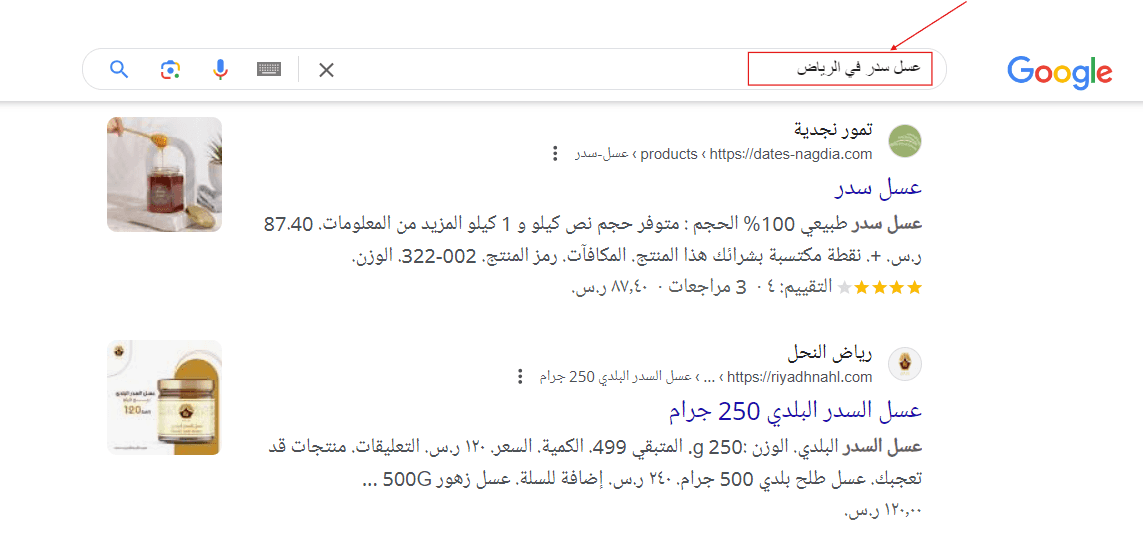
Search Engine Optimization (SEO): Optimizing content and websites to rank highly in organic (unpaid) search results.
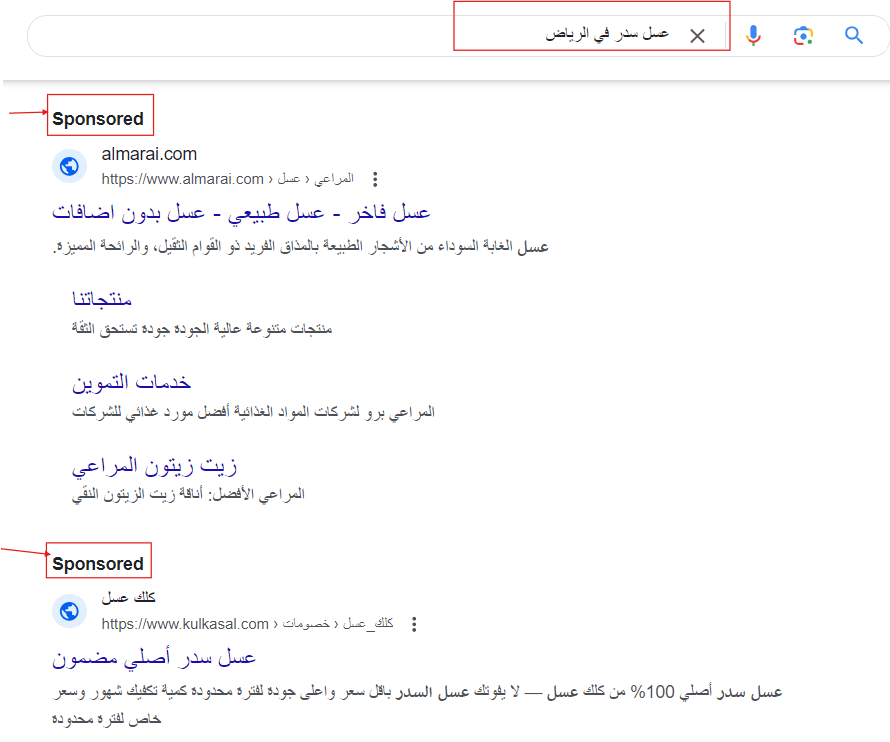
Example: Searching for "Sidr honey in Riyadh" yields both paid ads and naturally-ranked results from continuous website content optimization.
Pay-Per-Click (PPC) Advertising: Displaying targeted ads on search engines and platforms, where the business pays for each click, aimed at interested consumers to drive website visits and ROI.
SEM Best Practices:
Identify target keywords using tools like Google Keyword Planner, SEMrush, or AI tools.
Create unique, high-quality content rich in relevant keywords.
Include keywords in page titles and product descriptions.
Ensure a fast-loading website for better user experience and search ranking.
Build quality Backlinks from authoritative sites and create a strong internal link network.
Identify negative keywords for paid campaigns to improve targeting.
Monitor and adjust campaigns continually to improve results.
2. Social Media Marketing (SMM)
SMM leverages platforms like Facebook, X, Instagram, and LinkedIn to promote offerings, build brand awareness, and foster customer relationships. These platforms are ideal due to their large and diverse user bases, facilitating targeted campaigns.
SMM Best Practices:
Conduct comprehensive analysis of the market and target audience to understand their preferences.
Develop a strong, innovative content strategy using diverse formats (text, images, video, stories).
Utilize creative power in campaigns to stand out and capture attention.
Set specific, strategic goals and KPIs for social campaigns.
Monitor and analyze performance using data tools to identify areas for improvement.
3. Content Marketing 📝
Focuses on creating valuable, engaging content to build strong relationships, boost brand awareness, generate interest, and increase leads, ultimately supporting sales and customer loyalty.

Content Marketing Best Practices:
Define your target audience and their needs to create relevant content.
Ensure content is high-quality and provides genuine user value.
Optimize content for SEO to ensure discoverability.
Promote content across various channels (social media, email, paid ads).
Update content regularly with rich, useful information.
4. Influencer Marketing 🌟
Leverages the influence of prominent figures to promote products or services, boosting sales and profits through their credibility with the target audience.
Influencer Marketing Best Practices:
Define clear objectives (e.g., awareness, sales, trust).
Conduct thorough research to select relevant influencers.
Focus on creative content production, giving influencers the freedom to innovate while adhering to brand identity.
Example: A TikTok video by an influencer showcasing an "Eid outfit" (e.g.,
@haiakkkkk #تجهيزات_العيد #بارلينا...).
5. Video Marketing 🎥
Uses video as an innovative and effective medium for promotion across digital channels like YouTube, TikTok, and websites.
Benefits of Video Marketing:
Increases brand awareness and motivates decisions.
Builds trust through stories, testimonials, and showcasing brand values.
Increases reach due to easy sharing across platforms.
Clearly and detailedly explains product benefits and features.
Video Marketing Best Practices:
Ensure high video quality.
Keep videos short and clear.
Deliver the core message and capture attention in the first 10 seconds.
Include relevant keywords in descriptions for search engine visibility.
6. Email Marketing 📧
Still highly effective in 2025, but now heavily relies on AI and big data for advanced customer behavior analysis and personalized campaigns to increase open rates and conversions.
Email Marketing Best Practices:
Segment your audience for precise targeting (age, location, purchase history, etc.).
Personalize content based on data and analytics of user behavior.
Optimize subject lines to be engaging and action-oriented.
Use Automation for seamless experiences (welcome emails, abandoned cart reminders).
Create engaging and interactive content (buttons, GIFs).
Ensure designs are mobile-responsive.
7. Mobile App Marketing 📱
A powerful tool in 2025, moving beyond in-app ads to integrated strategies using AI, behavioral analysis, and personalized UX to promote, improve customer experience, and boost loyalty.
Mobile App Marketing Best Practices:
Design a user-friendly app with a seamless experience.
Use Push Notifications smartly for exclusive offers or cart reminders.
Personalize notifications based on user behavior to improve interaction.
Offer in-app loyalty programs to enhance customer retention.
Leverage AI to customize the user experience based on purchasing behavior.
8. Affiliate Marketing 🤝
Based on collaboration where independent marketers promote products for a commission on sales generated via referral links. Success relies on:
Selecting the right partners aligned with the target audience.
Using effective affiliate management programs (e.g., Amazon Associates, CJ Affiliate) for performance tracking.
Providing engaging marketing materials (banners, videos) to maintain brand consistency.
Motivating affiliates with a smart and competitive commission structure.
9. SMS Marketing (Short Message Service) 💬
One of the most immediate and effective direct marketing methods, offering an instant way to reach customers with high open rates (over $90\%$ within minutes). Automation and AI enhance personalization based on customer behavior.
SMS Marketing Best Practices:
Send messages at the optimal time.
Personalize messages based on customer behavior.
Use short, clear messages with a CTA.
Leverage automation and AI for scheduling, auto-replies, and intelligent performance analysis.
10. Marketing Automation 🤖
A sophisticated approach using AI and automation to simplify and enhance the efficiency of marketing processes and customer communication. It automates repetitive tasks like email sending, ad management, and content scheduling.
Marketing Automation Best Practices:
Use CRM systems to integrate and analyze customer data for accurate profiling.
Implement customized marketing strategies for each customer based on behavior (e.g., offers for previously browsed items).
Utilize smart Chatbots for instant customer service, enhancing UX.
Continuously analyze data (open rate, click rate, conversions) to refine strategies.
How to Create a Comprehensive and Innovative Digital Marketing Plan for Your E-Store 💡
A comprehensive, innovative digital marketing plan involves several essential steps:
Market and Audience Analysis: Conduct extensive research to understand market trends, competitors, consumer behavior, and needs.
Brand Identity and Competitive Value: Define your brand's identity and value proposition to create consistent content focusing on product benefits.
Goal Setting: Set SMART (Specific, Measurable, Achievable, Relevant, Time-bound) objectives for your strategy.
Channel Selection: Choose the digital channels that align with your audience, goals, and content type.
Budget Allocation: Dedicate the necessary budget for campaigns across chosen digital channels.
KPIs and Success Metrics: Determine the main performance indicators to measure campaign effectiveness.
Tips for Innovation:
Stay updated with the latest trends, tools, and strategies.
Be innovative and creative to differentiate yourself.
Set both short-term and long-term goals.
Analyze competitors' strengths, weaknesses, and strategies to build a superior, value-focused strategy.
Attract customers with personalized offers (e.g., free shipping above a certain purchase value, leveraging competitive shipping prices from platforms like OTO).
Latest Trends in Digital Marketing (2025) 🚀
Digital marketing is continually evolving with technology. Key trends include:
Live Streaming Commerce: Growing in popularity, offering a unique, interactive shopping experience where customers can purchase directly during a live stream (TikTok, Instagram, YouTube).
AR and VR Marketing: Expected to play an increased role, allowing consumers to virtually experience products before purchase, reducing returns.
Conversational Marketing: A unique approach creating seamless, personalized interactions with customers across multiple channels (chatbots, live chat), building relationships and boosting sales.
Automated Marketing (Marketing Automation): Using advanced software to automate repetitive tasks for time savings, improved ROI, and better scalability.
Synthetic World Marketing: Driven by Generative AI, VR, and AR, this involves creating fully customized digital environments for unique customer engagement. Brands build dynamic digital stores and virtual ambassadors for realistic product interaction, going beyond traditional ads.
Voice Marketing: A fast-growing trend driven by voice assistants (Alexa, Siri) and smart devices. Marketers leverage advancements in Natural Language Processing (NLP) to optimize for voice search and enable Voice Commerce (purchasing via voice commands).
In Conclusion:
Digital marketing is a fast-paced world requiring continuous adaptation to new innovations. Investing in a comprehensive and innovative marketing strategy, grounded in data analytics and intensive research, is essential to enhance competitive value and achieve sustainable business growth.
Would you like to explore tips on maximizing one of these specific digital marketing channels for your business?

إيهاب محمود